

How Long Does Flat Renovation Take? Renovating a Flat in Hounslow & West London
Renovating a flat typically takes 8–16 weeks for a substantial refurbishment, while a lighter cosmetic renovation may take 4–8 weeks and a major project involving structural alterations, full rewiring, plumbing changes or extensive layout modifications can take 16–24+ weeks. In Hounslow and wider West London, approvals, leaseholder requirements, access and material availability can also affect the construction programme.
How long does it take to renovate a flat?
The construction period depends mainly on the size of the flat and how much is being changed. A one- or two-bedroom flat receiving a new kitchen, bathroom, flooring, decoration and some electrical upgrades may be completed in around 8–12 weeks.
A larger flat or full refurbishment involving several rooms, structural changes, new services and bespoke finishes can take 12–24 weeks or more.
A typical programme for renovating a flat could look like this:
- Survey and project preparation: 1–2 weeks
- Design and specification: 1–4 weeks
- Planning/Building Regulations or other approvals: 2–12+ weeks where required
- Strip-out and preparation: 1–2 weeks
- Electrical and plumbing works: 1–3 weeks
- Kitchen and bathroom installation: 2–4 weeks
- Plastering, flooring and decorating: 2–4 weeks
- Final fixtures, testing and snagging: 1–2 weeks
Some of these stages overlap, so the total project duration is not simply the sum of every stage.
ERD Ltd’s published renovation guidance for Hounslow allows 8–24 weeks for construction, followed by approximately 2–6 weeks for finishing work on larger renovation projects.
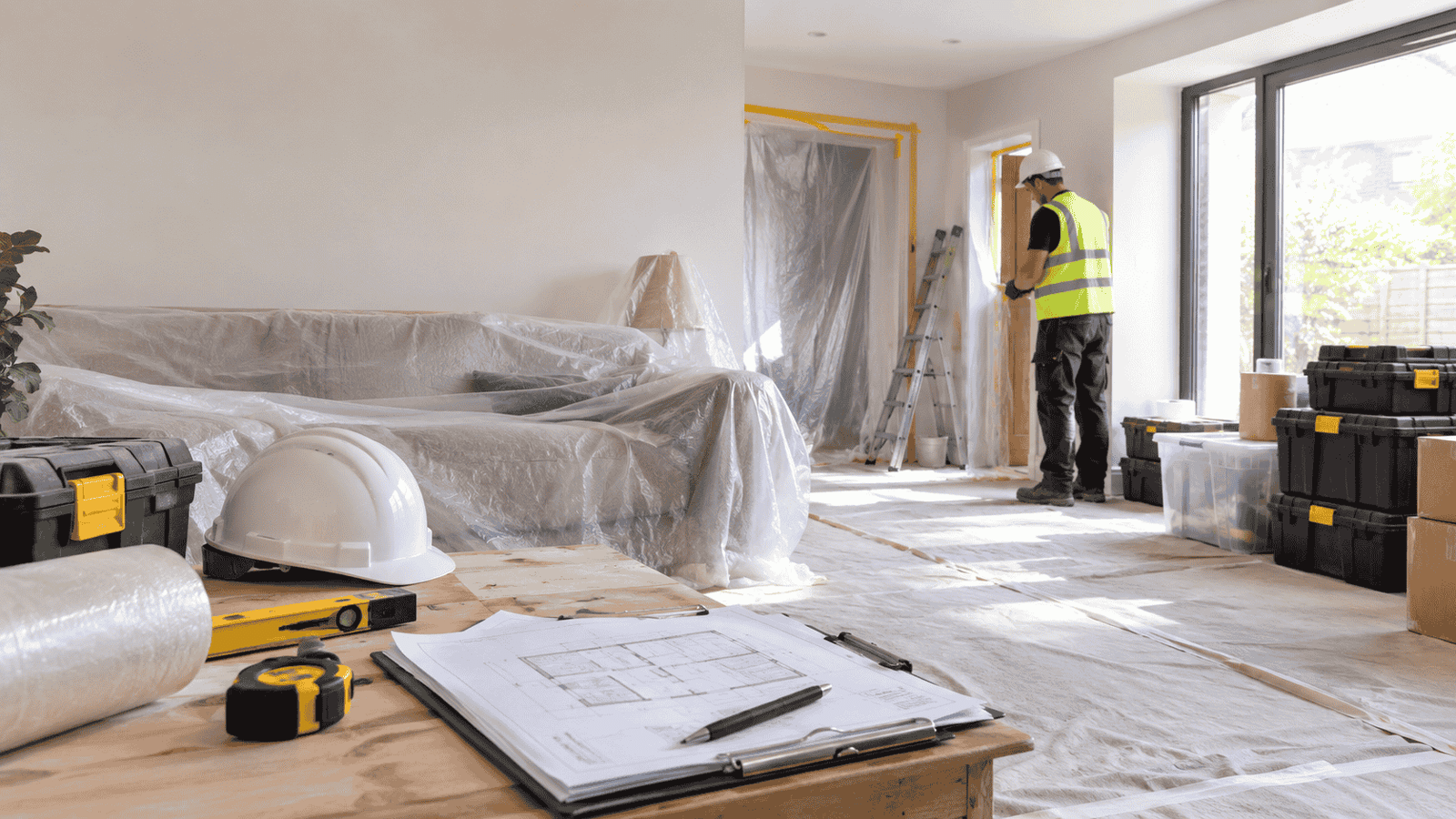
What is involved in renovating a flat?
A flat renovation can range from updating finishes to completely modernising the property. Typical work may include:
- Removing old kitchens, bathrooms and flooring
- Changing internal layouts
- Installing or upgrading electrical systems
- Plumbing alterations
- New kitchen installation
- Bathroom remodelling
- Plastering and decorating
- New flooring and doors
- Lighting and sockets
- Built-in storage and interior design
- Energy improvements and other electrical upgrades
ERD Ltd coordinates renovation, construction, electrical, kitchen, bathroom and interior finishing services, allowing multiple trades to be managed as one project.
For homeowners renovating a flat in Hounslow, Middlesex or elsewhere in West London, coordinating these trades properly is particularly important because access to the property and shared building areas can affect the schedule.
What affects the renovation timeline?
Several factors can add days or weeks to a flat renovation.
1. The size of the flat
A compact one-bedroom flat with limited work may be completed considerably faster than a large three-bedroom property requiring work throughout.
2. The condition of the existing property
Old wiring, damaged plaster, leaking pipes, damp or structural problems may only become obvious once walls, floors or ceilings are opened.
3. Changes to the layout
Moving walls, doors, bathrooms or kitchens usually requires more design, structural and service coordination than simply replacing existing finishes.
4. Material availability
Special-order tiles, kitchens, sanitaryware, flooring and appliances can affect the programme if they arrive late.
5. Building access
Flats can have restrictions on working hours, deliveries, lifts, parking, loading and waste removal. These practical issues can be particularly relevant in larger apartment buildings.
6. Approvals and permissions
The need for planning permission, Building Regulations approval, freeholder consent or other permissions can extend the pre-construction period.
Do I need planning permission to renovate a flat?
Not every flat renovation requires planning permission. Simple internal alterations may not need planning permission, but structural changes, alterations affecting the external appearance or certain changes to a building may require approval.
There is also an important distinction between planning permission and Building Regulations. Even when planning permission is not required, Building Regulations may apply to structural, fire-safety, insulation, ventilation, drainage or electrical work.
For electrical work in dwellings, Building Regulations Part P covers electrical safety requirements, including design and installation requirements for relevant domestic electrical installations.
Flat owners should also check their lease and freeholder or managing-agent requirements before starting work. A lease may restrict alterations even where planning permission is unnecessary.
Are there extra considerations when renovating a flat?
Yes. Renovating a flat is different from renovating a detached house because you are working within a shared building.
Before construction starts, check:
- Whether the freeholder or management company needs written consent
- Building insurance requirements
- Permitted working hours
- Lift and stair access
- Rules for deliveries and skips
- Noise restrictions
- Protection of communal areas
- Requirements for structural alterations
- Fire-safety considerations
- Whether asbestos information or a survey is needed
Older properties require particular care. HSE guidance notes that materials in buildings constructed before 2000 cannot automatically be assumed to be asbestos-free, particularly where refurbishment work will disturb existing materials.
How much does flat renovation cost in West London?
There is no single price for renovating a flat because the specification and condition of the property can change the budget significantly.
As a practical planning guide, divide your renovation budget into:
- Labour and construction
- Kitchen and bathroom fittings
- Electrical and plumbing work
- Plastering and decorating
- Flooring and joinery
- Design and architectural services
- Building control or approval costs where applicable
- Waste removal
- Materials and fixtures
- 10–15% contingency for unexpected work
A cosmetic refurbishment will normally cost much less than a complete renovation involving rewiring, plumbing alterations, structural work and premium finishes.
For an accurate figure, ERD Ltd recommends assessing the property and defining the scope of work before construction begins rather than relying on a generic price per square metre.
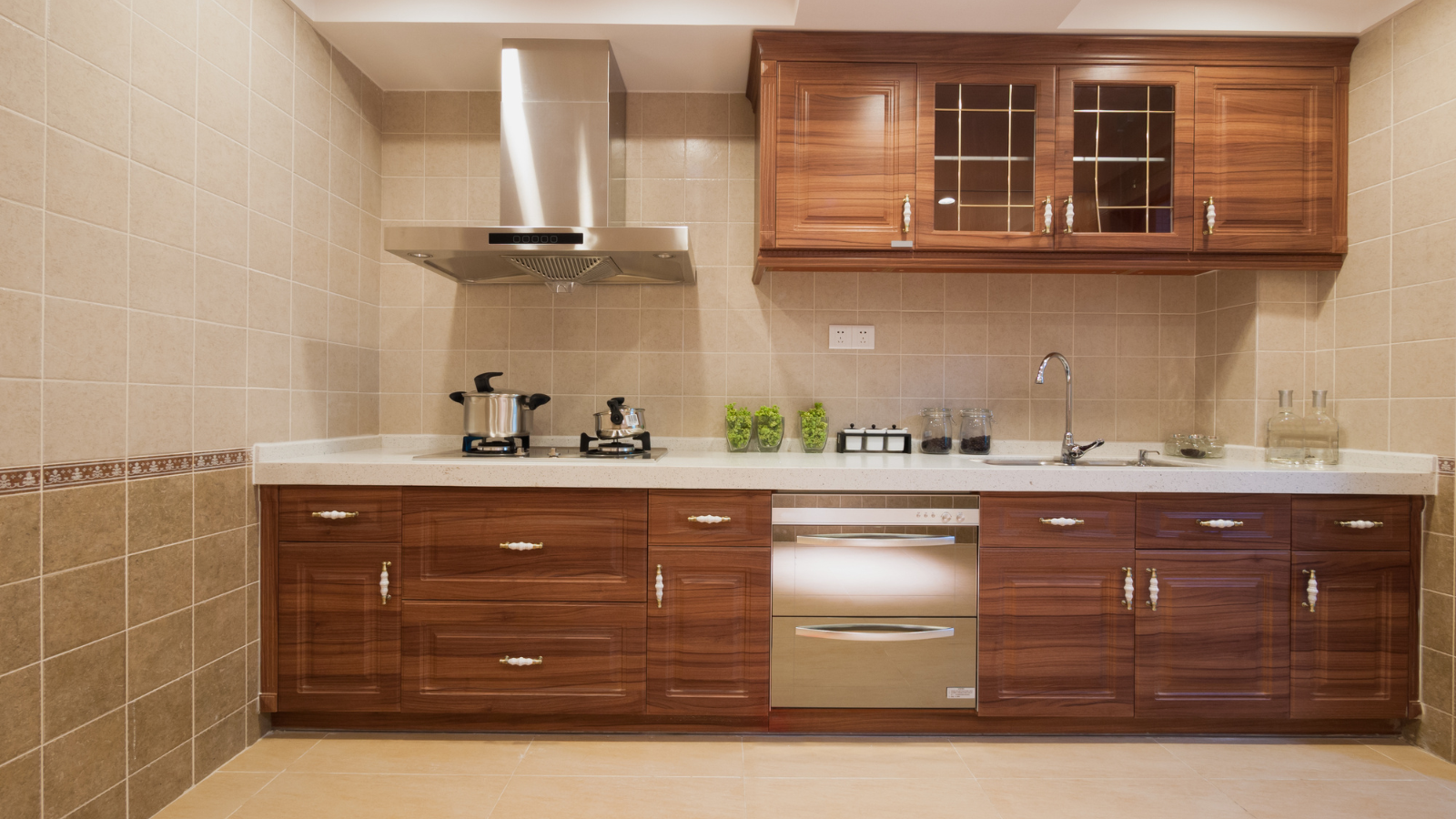
What is the process for renovating a flat?
A well-organised renovation usually follows these steps:
- Initial survey and consultation – assess the flat, its condition and your objectives.
- Design and specification – agree the layout, materials, fixtures and finishes.
- Check permissions – establish whether planning, Building Regulations, freeholder or other approvals are required.
- Set the budget – include materials, labour, professional fees and a 10–15% contingency.
- Order key materials – kitchens, bathrooms, appliances and specialist items should be planned early.
- Strip-out and preparation – remove existing finishes and prepare the property.
- First-fix construction – complete structural, plumbing and electrical work.
- Installation and finishing – fit kitchens and bathrooms, plaster, decorate and install flooring.
- Testing and snagging – inspect the work, complete testing and resolve outstanding items.
- Handover – complete final checks and provide relevant documentation or certificates.
ERD Ltd is based in Hounslow, Middlesex and provides planning, architecture, construction, renovation, electrical work, kitchen and bathroom renovation and interior design as part of its wider residential services.
Why use a local renovation company in Hounslow?
Choosing a contractor familiar with Hounslow and West London can make project coordination easier, particularly where flats have restricted access, management-company requirements or older building fabric.
ERD Ltd works from its Hounslow base at Wellington Road South and serves homeowners across Hounslow, Middlesex and wider West London. Its approach combines planning and design with construction and specialist renovation services under one team.
Rather than treating the kitchen, bathroom, electrical work and finishing as unrelated jobs, a coordinated programme helps reduce delays between trades.
Get a flat renovation quote in Hounslow
If you’re planning on renovating a flat in Hounslow, Middlesex or West London, ERD Ltd can help with planning, construction and specialist renovation work from start to finish. Contact ERD Ltd for a free, no-obligation quote and discuss your flat renovation requirements.
FAQ: Flat Renovation
How long does it take to renovate a flat?
A substantial flat renovation usually takes 8–16 weeks, while a major refurbishment can take 16–24 weeks or more. The exact programme depends on the size, condition, specification and required approvals.
Can you renovate a flat in 8 weeks?
Yes, an 8-week renovation can be achievable for a smaller flat with a clearly defined scope, readily available materials and no significant structural or approval delays. A full refurbishment involving several rooms and major service changes will normally require longer.
Do I need planning permission to renovate a flat?
Not necessarily. Many internal renovations do not require planning permission, but structural alterations, external changes and certain other works may require permission or approval. Building Regulations and freeholder or lease requirements may also apply.
Can I renovate a flat while living in it?
It is possible, but a major renovation can involve significant dust, noise, loss of kitchen or bathroom facilities and restricted access. For projects lasting 8–16 weeks or longer, temporary accommodation may be more practical.
How much does it cost to renovate a flat in Hounslow?
The cost depends on the flat’s size, condition, layout and specification. A cosmetic refurbishment will cost substantially less than a complete renovation involving rewiring, plumbing, structural alterations, a new kitchen and bathroom.
What can delay a flat renovation?
Common causes include unexpected structural or damp problems, late material deliveries, design changes, approval delays and restrictions on access or working hours. Ordering key materials early and agreeing the scope before construction can reduce avoidable delays.
→ Website