
Basement vs Loft Conversion: Which Is Better Value in West London?
A loft conversion is generally better value than a new basement construction project because it usually costs less, takes less time and adds valuable living space without major excavation. In London, a typical dormer loft conversion costs around £72,000–£112,000, while a newly excavated basement can cost £150,000–£300,000+. However, a basement may offer more space and suit properties where loft potential is limited.
1. What Is the Difference Between a Basement and Loft Conversion?
Both basement and loft conversions increase your home’s usable living space without requiring you to move house. However, they involve very different construction methods, costs and planning considerations.
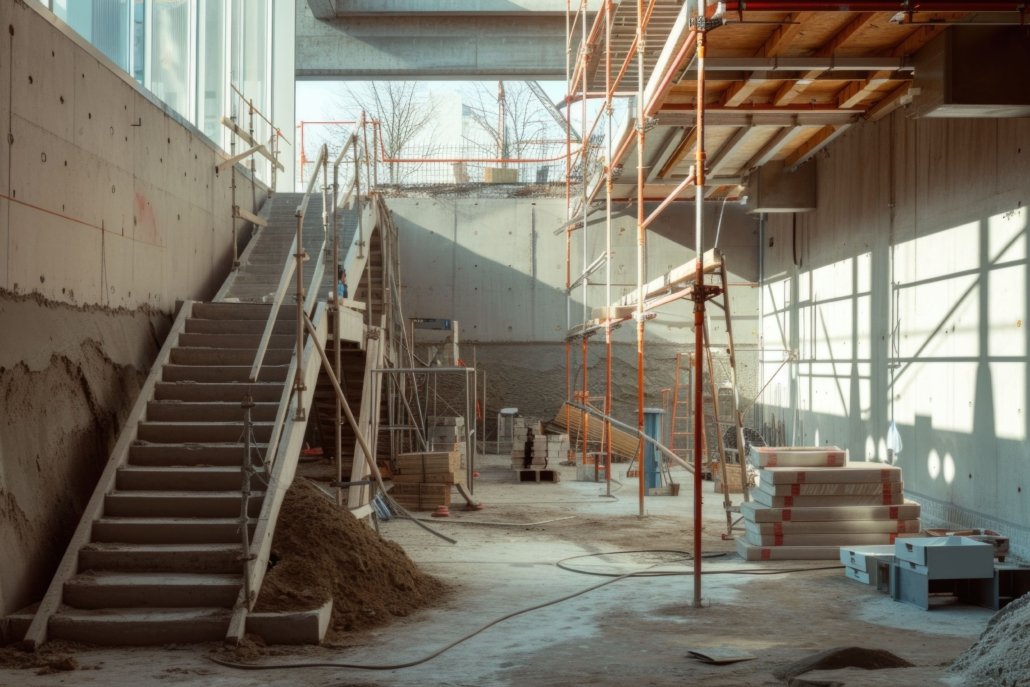
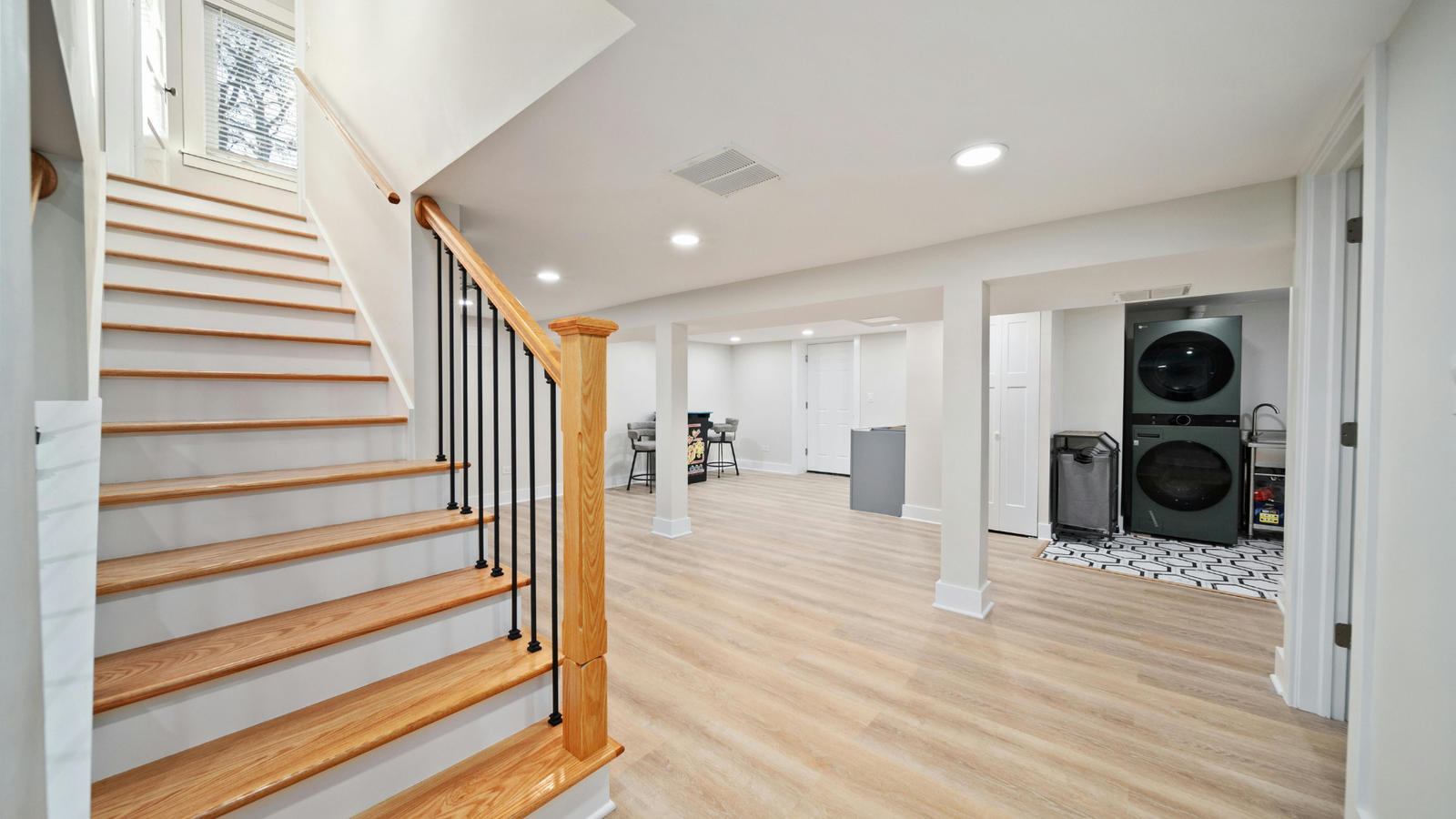
A basement conversion involves transforming an existing cellar or excavating below ground level to create additional rooms. Homeowners often use basement spaces for:
- Additional bedrooms or guest accommodation.
- Home cinemas and entertainment rooms.
- Home offices and study areas.
- Gyms and recreational spaces.
- Utility rooms and additional storage.
A loft conversion transforms unused roof space into a functional living area. Popular uses include:
- Additional bedrooms with en-suite bathrooms.
- Home offices.
- Children’s bedrooms.
- Dressing rooms.
- Playrooms and hobby spaces.
For homeowners in Hounslow, Middlesex and West London, the right option depends on the property’s structure, available space and renovation budget.
2. How Much Does a Basement vs Loft Conversion Cost in London?
Cost is one of the biggest factors when deciding between basement construction and a loft conversion.
In London, basement projects generally require more structural work, specialist waterproofing and excavation. Loft conversions are usually less expensive because they make use of existing roof space.
Here are indicative 2026 London construction cost estimates:
| Project type | Estimated cost |
|---|---|
| Existing cellar conversion | £80,000–£150,000 |
| New basement excavation | £150,000–£300,000+ |
| Rooflight loft conversion | £48,000–£77,000 |
| Rear dormer loft conversion | £72,000–£112,000 |
| Mansard loft conversion | £100,000–£180,000 |
These are indicative market estimates, not ERD Ltd quotations. Actual prices depend on property size, structural requirements, materials, VAT and professional fees.
For example, a homeowner with a suitable roof structure might create an additional bedroom through a dormer loft conversion for approximately £90,000. A similar-sized new basement could require an investment of £150,000–£250,000 or more.
Which is cheaper? In most cases, a loft conversion offers a lower initial investment and better value for homeowners working with a limited renovation budget.
3. How Much Additional Space Can You Create?
The amount of space you can gain depends on your property’s existing structure and the design you choose.
Basement construction:
- Existing cellar conversions can provide approximately 20–40 m² of usable space.
- New basement excavations can create approximately 30–60 m² or more.
- Larger projects may provide multiple rooms across one or more levels.
Loft conversions:
- Rooflight conversions generally create approximately 15–25 m² of usable space.
- Dormer conversions can provide approximately 20–35 m².
- Mansard and L-shaped conversions may create approximately 30–45 m² or more.
A basement may provide more total floor space, particularly where the property has limited roof height.
However, a loft conversion can be a more practical solution for Victorian and Edwardian properties across West London, provided the roof structure is suitable.
4. How Long Does a Basement or Loft Conversion Take?
Project duration is another important consideration, particularly if you want to minimise disruption to your household.
Typical construction timeframes are:
| Conversion type | Estimated construction time |
|---|---|
| Existing cellar conversion | 4–8 weeks |
| New basement excavation | 4–8 months |
| Rooflight loft conversion | 6–8 weeks |
| Dormer loft conversion | 8–12 weeks |
| Complex mansard conversion | 12–16 weeks or longer |
Basement construction takes longer because contractors may need to excavate soil, strengthen foundations, install waterproofing systems and construct retaining walls.
Loft conversions are generally quicker because the work takes place above the existing living space.
For homeowners who want additional space quickly, a loft conversion is usually the more convenient option.
5. Do You Need Planning Permission for a Basement or Loft Conversion?
Planning permission requirements depend on the type of conversion, property location and extent of structural changes.
Basement planning requirements
Creating a completely new basement will probably require planning permission in England because of the scale of excavation and structural work.
You should also consider:
- Building Regulations approval.
- Structural engineer calculations.
- Waterproofing and damp protection.
- Party Wall etc. Act 1996 requirements.
- Local planning restrictions and conservation area rules.
Loft conversion planning requirements
Many loft conversions can be completed under permitted development rights, provided they meet specific conditions.
For example:
- Maximum additional roof volume is generally 40 m³ for terraced houses.
- Maximum additional roof volume is generally 50 m³ for detached and semi-detached houses.
- Extensions must comply with height and design restrictions.
- Properties in conservation areas may have additional restrictions.
Flats and maisonettes do not normally benefit from the same permitted development rights as houses.
Both projects must comply with relevant Building Regulations, including structural safety, fire protection, insulation and ventilation.
Before starting basement construction in Hounslow or elsewhere in West London, check the requirements with the relevant local planning authority.
6. Which Conversion Adds More Value to Your Property?
Both conversions can increase property value, but the financial return depends on the amount invested and the demand for additional living space in your local housing market.
A loft conversion can add value by:
- Creating an additional bedroom.
- Providing an en-suite bathroom.
- Increasing the property’s usable floor area.
- Making a smaller house more attractive to growing families.
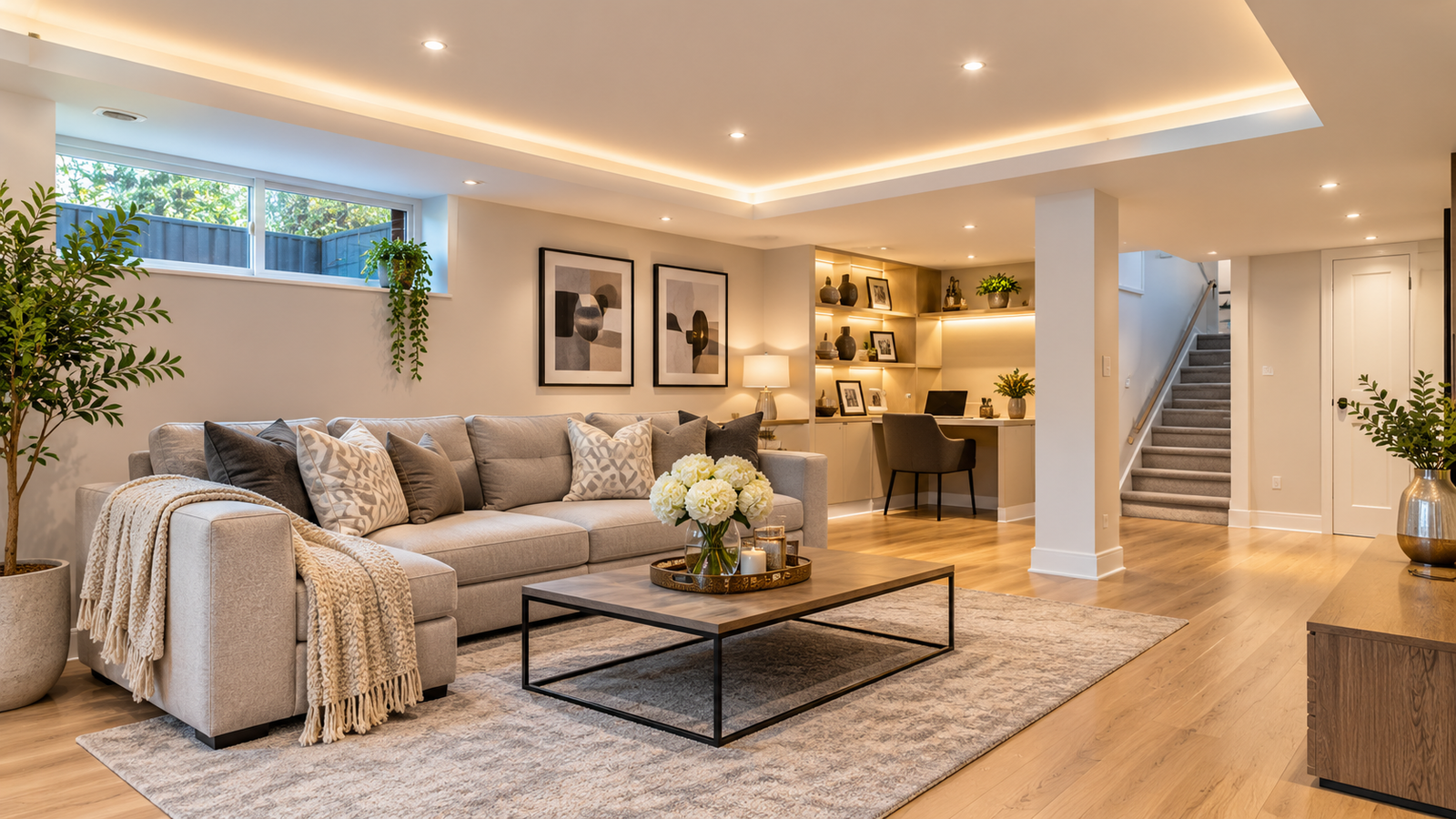
A basement conversion can add value by:
- Creating substantial additional living space.
- Providing separate entertainment or working areas.
- Improving the functionality of larger properties.
- Offering additional accommodation without reducing garden space.
However, spending £200,000 on basement construction does not automatically mean your property value will increase by £200,000.
Before investing, compare the estimated project cost with similar renovated properties in Hounslow, Middlesex and surrounding West London areas.
For most homeowners, a well-designed loft conversion is likely to provide better financial value. A basement may be worthwhile where the property has strong resale potential and sufficient space to justify the higher construction costs.
7. What Factors Should You Consider Before Choosing?
Before deciding between basement construction and a loft conversion, assess the following:
- Available space: Check whether your roof or underground space offers greater potential.
- Construction budget: Compare the full project costs, including professional fees and contingency.
- Property structure: Arrange a structural assessment to identify potential limitations.
- Planning permission: Check local planning requirements before committing to a design.
- Natural light: Consider roof windows, dormer windows or basement lightwells.
- Long-term use: Decide whether you need an extra bedroom, home office, gym or entertainment room.
- Resale potential: Consider whether the investment is appropriate for your property’s local market.
A professional assessment can help you avoid spending money on a design that is unsuitable for your property.
8. Basement Construction in London: Why Professional Planning Matters
Basement construction in London requires careful structural planning because excavation can affect existing foundations, neighbouring properties and underground drainage systems.
A properly planned basement project may involve:
- Ground condition and structural surveys.
- Excavation and foundation strengthening.
- Underpinning where required.
- Waterproofing and drainage systems.
- Ventilation and insulation.
- Electrical and plumbing installations.
- Building Regulations compliance.
For properties in Hounslow and Middlesex, the construction approach should be based on the property’s individual ground conditions and structural requirements.
ERD Ltd, established in 2020, provides home renovation and construction services from Hounslow, West London. Our services include construction, planning and architecture, house renovations, loft conversions and associated property improvement work.
Whether you are considering basement construction in London or a loft conversion, proper assessment and planning are important before starting work.
Final Thoughts: Which Conversion Should You Choose?
If your priority is adding living space at a lower cost, a loft conversion is generally the better investment. However, if your property has limited roof space and the potential for substantial underground development, basement construction may offer a better long-term solution.
The best choice is the one that meets your family’s needs while making financial sense for your property.
Planning a home improvement project in Hounslow or West London? Contact ERD Ltd for a free, no-obligation quote and discuss your renovation or conversion requirements with our team.
Frequently Asked Questions
1. Is a basement conversion better than a loft conversion?
Not necessarily. A loft conversion is generally cheaper and quicker, while a basement can provide more additional floor space. The better option depends on your property, budget and requirements.
2. Is basement construction more expensive than a loft conversion in London?
Yes, generally. A new basement can cost approximately £150,000–£300,000+, while a typical dormer loft conversion costs around £72,000–£112,000 in London.
3. Which conversion adds more value to a house?
Both can increase property value. Loft conversions often offer better value relative to their construction costs, particularly when they create an additional bedroom and bathroom.
4. Do I need planning permission for basement construction in London?
A new basement excavation will probably require planning permission. Building Regulations approval and Party Wall Act considerations may also apply. Always check with your local planning authority before starting.
5. How long does basement construction take in London?
A straightforward existing cellar conversion may take approximately 4–8 weeks. A completely new basement excavation can take around 4–8 months, depending on structural requirements and project complexity.
6. Can I build a basement and loft conversion in the same property?
Yes, it may be possible to have both, provided the property structure, planning requirements and available budget allow it. You should obtain professional structural and planning advice before proceeding.
→ Website