
How Much Can Solar Panels Save You on Energy Bills? Renewable Energy
Solar panels can reduce household electricity costs by hundreds of pounds per year, depending on system size, roof orientation, shading and how much solar power you use yourself. In London, Energy Saving Trust estimates a typical solar installation can pay back in around 9 years, including export payments.
How much can solar panels save on energy bills?
The biggest saving comes from using electricity generated by your panels instead of buying it from the grid. Any unused electricity can potentially be exported through the Smart Export Guarantee (SEG), providing an additional payment.
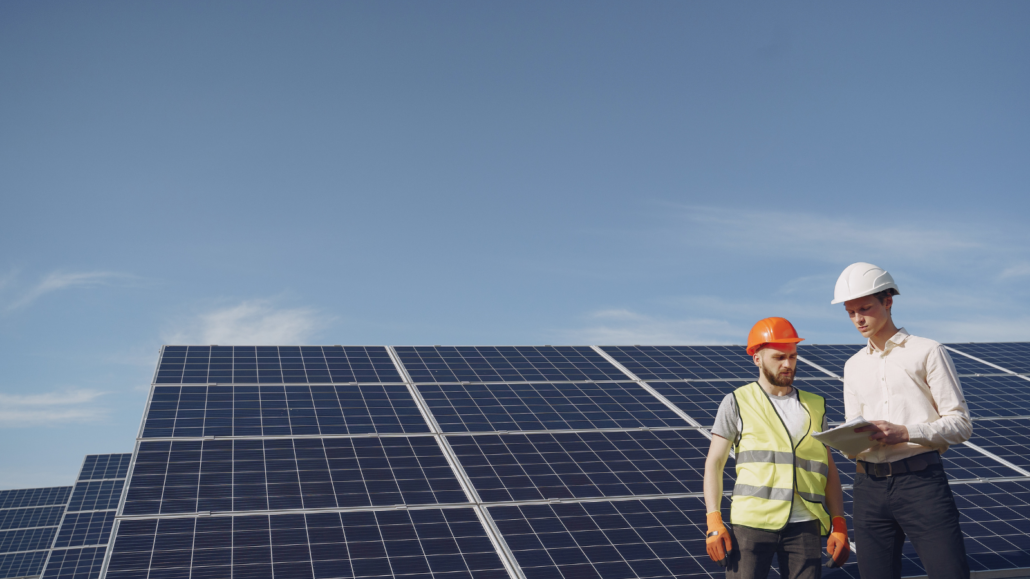
For homeowners in Hounslow and West London, the actual saving depends on your property and energy habits. A typical domestic system is around 4.5kWp, usually requiring approximately 20–30m² of roof space and around 12 panels.
Energy Saving Trust currently puts the average installation cost for a 4.5kWp domestic system at around £7,600.
Your annual benefit can come from two sources:
- Lower electricity bills because you use your own solar-generated electricity.
- Export payments for surplus electricity sent to the grid.
- Why solar savings matter in 2026
Electricity prices continue to have a significant effect on household budgets. Ofgem’s price cap for 1 October to 31 December 2026 sets an average electricity unit rate of 26.32p/kWh for households on default tariffs paying by Direct Debit, although actual rates vary by region and tariff.
Generating some of your own electricity can therefore reduce the number of kilowatt-hours you need to purchase from your supplier.
Solar is also a renewable energy source, meaning homeowners can reduce reliance on grid electricity while generating power from daylight.
What determines how much you save?
Two homes with identical solar systems can achieve different savings. The main factors include:
1. Roof orientation
A clear, unshaded south-facing roof generally gives the strongest performance. East- or west-facing systems can still work well, but Energy Saving Trust estimates they may generate around 15–20% less energy than an equivalent south-facing system.
This is particularly important during a solar assessment for properties around Hounslow, Middlesex and West London, where neighbouring buildings, extensions, chimneys and mature trees can affect sunlight.
2. Shading
Shadows can reduce electricity generation. Trees, neighbouring buildings, roof structures and chimneys should therefore be considered before deciding where panels should be installed.
Modern systems can use technologies such as optimisers to reduce the effect of partial shading on individual panels.
3. How much electricity you use during daylight
Using solar electricity directly is generally more valuable than exporting it. For example, you could schedule washing machines, dishwashers or EV charging during sunny daytime periods.
This is why a household that is regularly at home during the day can have a different savings profile from a household where everyone leaves for work or school.
4. Your export tariff
If your panels produce more electricity than your home needs, you can export the surplus to the grid.
The Smart Export Guarantee allows eligible households in England, Scotland and Wales to receive payments for renewable electricity exported to the grid. You need to sign up for an eligible tariff; payments are not automatic.
Can a solar battery increase your savings?
A battery can store excess solar electricity generated during the day and make it available later when your panels are producing less.
This can be useful if your household consumes most electricity in the evening. Energy Saving Trust estimates battery storage can cost approximately £5,000–£8,000, so the additional investment should be considered alongside expected energy savings.
A battery can also work alongside an EV charger, allowing surplus renewable electricity to help charge an electric vehicle.
For a homeowner in West London, combining solar PV, battery storage and EV charging can create a more integrated home-energy setup, although the financial benefit depends on your electricity usage, tariffs and system design.
How long does it take for solar panels to pay for themselves?
For London, Energy Saving Trust’s current modelling gives a solar payback period of approximately 9 years across its examples of households that are home all day, home half the day or out all day. These figures include export payments and are based on fuel prices from July 2026.
The exact payback period for a property in Hounslow can be different because installation costs, electricity consumption, roof conditions, system performance and export tariffs vary.
Solar panels are also expected to last 25 years or more, although the inverter may need replacement after around 12 years.
Do you need planning permission for solar panels in Hounslow?
Many domestic solar installations fall under permitted development, meaning planning permission is not normally required when the relevant conditions are met. However, restrictions can apply to listed buildings, conservation areas and other designated locations.
The rules for residential solar equipment were updated on 27 August 2026, with a 12-month transitional period allowing certain installations to follow either the previous or new rules until 27 August 2027.
For a Hounslow property, it is sensible to check the property’s planning status and local restrictions before installation.
Do solar panels need to comply with Building Regulations?
Yes. Planning permission and Building Regulations are separate matters.
Planning Portal guidance states that Building Regulations will normally apply to roof-mounted solar panels. The roof may need to be assessed to confirm it can carry the additional load, while electrical aspects of the installation also need to comply with relevant requirements.
A competent installer should also deal with the appropriate electrical and network requirements. Energy Saving Trust notes that domestic solar installations must be registered with the relevant Distribution Network Operator (DNO), usually by the installer.
How ERD Ltd can help with renewable solar solutions
ERD Ltd is based in Hounslow and works with homeowners across Hounslow, West London and surrounding areas, providing construction, renovation, electrical and renewable-energy services. Its services include solar PV and EV charger installation, allowing renewable technology to be considered alongside wider home improvements.
For an existing home, the assessment should consider the roof, available space, shading, electrical setup and your household’s electricity consumption before a system is specified.
If solar is being incorporated into a renovation, extension or other construction project, planning the electrical and renewable elements together can also help avoid unnecessary future work.
How to maximise your solar panel savings
Use this checklist before choosing a system:
- Check your annual electricity consumption in kWh.
- Assess the roof orientation and shading.
- Estimate the suitable system size, rather than simply installing the maximum number of panels.
- Compare self-consumption with export payments.
- Consider whether battery storage is appropriate.
- If you own an EV, consider integrating EV charging.
- Check planning and Building Regulations requirements.
- Compare quotations and confirm what electrical, DNO and installation work is included.
For homeowners in Hounslow and the wider Middlesex/West London area, these factors are more useful than relying on a generic national savings figure.

FAQ: Solar Panel Savings
How much money can solar panels save on electricity bills?
Solar panels can save households hundreds of pounds a year, but the exact figure depends on electricity use, system size, roof conditions and self-consumption. Export payments can provide an additional financial benefit.
Are solar panels worth it in Hounslow?
London currently has an estimated 9-year solar payback period in Energy Saving Trust’s modelling, including export payments. Your individual result will depend on the property’s installation cost and electricity usage.
How much does a typical solar panel system cost in the UK?
Energy Saving Trust currently gives an average figure of around £7,600 for a typical 4.5kWp domestic solar system. The final quotation can be higher or lower depending on roof access, system design, panels, integration and any roof work required.
Can I sell excess solar electricity back to the grid?
Yes. Eligible households in England, Scotland and Wales can receive payments through a Smart Export Guarantee tariff for renewable electricity exported to the grid. You must sign up with an eligible supplier to receive SEG payments.
Do solar panels work on cloudy days?
Yes. Solar panels generate electricity from daylight, so they can still produce power in cloudy weather. However, generation is generally lower than under strong sunlight.
Do solar panels need planning permission in Hounslow?
Many residential installations are permitted development, but exceptions and conditions apply. Listed buildings, conservation areas and other protected locations may have additional requirements, so the property should be checked before work starts.
Get a Solar PV Quote in Hounslow
If you’re considering renewable solar energy for your home, ERD Ltd can assess your property and discuss a suitable solar PV solution. Contact ERD Ltd for a free quote for your Hounslow or West London home.
→ Book a Free Consultation
→ Website