How Does Renewable Solar Panel Installation Work in Hounslow,
Solar panel installation works by mounting photovoltaic (PV) panels on a suitable roof, connecting them to an inverter, and linking the system to your home’s electrical supply. A typical 3.5–4kW system takes 1–2 days to install and can generate renewable electricity from daylight, reducing reliance on grid power.
What Happens During Solar Panel Installation?
A professional solar installation follows several planned stages. For homeowners in Hounslow, Middlesex and West London, the process normally starts with a property assessment before any equipment is ordered.
1. Roof and Property Assessment
The installer checks your roof structure, available space, orientation, pitch and shading from trees or nearby buildings. They also assess your existing electrical system and determine the appropriate PV system size.
A typical UK home may use a 3–5kW solar PV system, although the correct capacity depends on electricity consumption, roof space and household requirements.
2. Solar System Design
Once the property has been assessed, the installer designs the system around your electricity usage and roof characteristics.
The design normally determines:
- Number and position of solar panels
- PV system capacity in kW
- Inverter location
- Cable routes
- Electrical protection and isolation equipment
- Whether a battery storage system is suitable
Good design is particularly important for West London properties where roof orientation, chimneys and neighbouring buildings can affect sunlight exposure.
3. Installing the Solar Panels
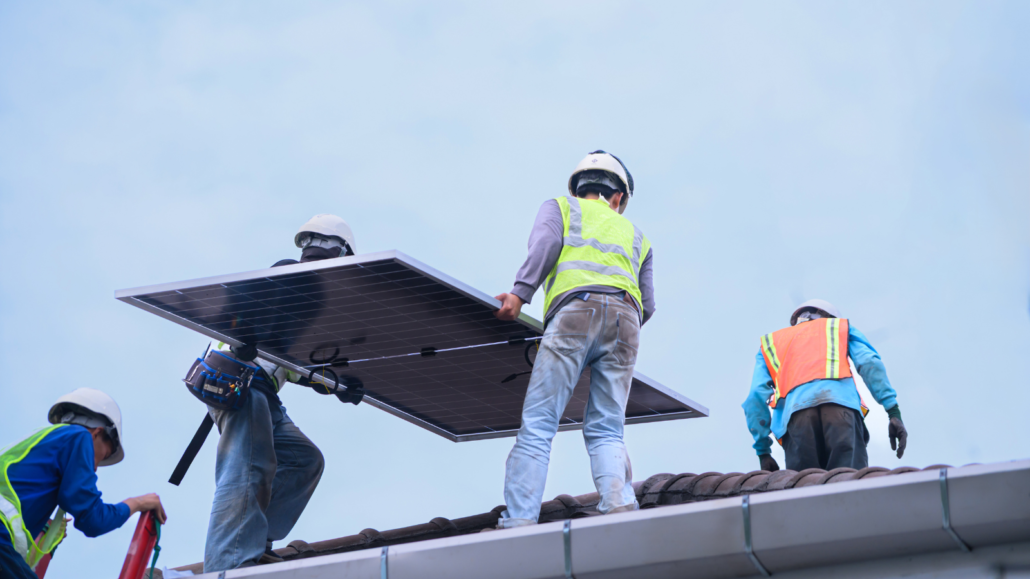
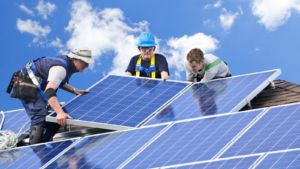
On installation day, roof mounting brackets and rails are secured to the roof structure. The solar panels are then positioned and fixed to the rails.
For many domestic installations, the physical installation can be completed within 1–2 days, assuming the roof is accessible and does not require additional structural work.
4. Connecting the Inverter
Solar panels produce DC electricity, while most household appliances use AC electricity. The inverter converts the electricity from DC to AC so your home can use it.
The inverter also monitors the system and helps manage the electricity generated by the panels.
5. Connecting the System to Your Home
The solar PV system is connected to your home’s electrical distribution system through appropriate protection and isolation equipment.
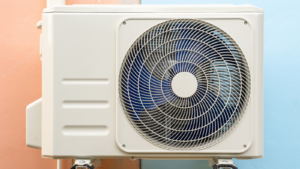
Electricity generated during the day can then be used by appliances such as refrigerators, washing machines, lighting systems, heat pumps and other household equipment.
If the panels produce more electricity than your home is using, the surplus can potentially be exported to the grid, depending on your setup and electricity tariff.
How Much Does Solar Panel Installation Cost in the UK?
The cost depends on system size, roof complexity, equipment and whether you add battery storage.
As a broad 2026 UK budgeting guide, a domestic solar PV installation may cost around £6,000–£10,000 for a typical system, while adding battery storage can increase the total by several thousand pounds.
The main cost factors include:
- System size: Larger systems require more panels and equipment.
- Roof type: Complex or difficult-to-access roofs can increase labour costs.
- Inverter: Different inverter technologies have different prices.
- Battery storage: A battery adds cost but can increase your use of self-generated electricity.
- Electrical upgrades: Older installations may need additional work.
- Scaffolding: Most roof installations require temporary access equipment.
For an accurate figure, a site survey is more useful than relying on a generic per-panel price.
Do You Need Planning Permission for Solar Panels?
Many domestic solar panel installations in England can be installed under permitted development rights, provided they meet the relevant conditions and limitations.
However, restrictions can apply to listed buildings, conservation areas and certain other properties. Roof-mounted panels must also comply with applicable permitted-development requirements.
If your Hounslow property is in a conservation area or has unusual planning restrictions, check the position before installation. ERD Ltd can help identify whether planning and design considerations need to be addressed before work begins.
What UK Regulations Apply to Solar Installation?
Solar PV installation is not simply a matter of putting panels on a roof. The electrical installation must be designed and completed safely and in accordance with applicable UK requirements.
Relevant considerations can include:
- Building Regulations
- Electrical safety requirements
- Appropriate PV installation standards
- Structural considerations for roof-mounted equipment
- Distribution-network requirements for grid connection
Where electrical work forms part of the project, it should be carried out by a suitably qualified and competent installer.
For homeowners in Hounslow and West London, using an experienced construction and electrical team can also make coordination easier when solar is being installed alongside renovation or extension work.
Can Solar Panels Work on a West-Facing Roof?
Yes. Solar panels do not have to face due south to generate useful electricity.
A south-facing roof can provide strong overall generation, while east- and west-facing roofs can also work effectively. A west-facing system may produce more electricity later in the day, which can be useful for households with significant afternoon and evening electricity demand.
Shading should also be considered because trees, chimneys and surrounding buildings can reduce generation from affected panels.
Do Solar Panels Work on Cloudy Days?
Yes. Solar panels generate electricity from daylight rather than requiring direct sunshine.
However, output is generally lower during cloudy weather and shorter winter days. This is why a properly designed system considers the property’s location, roof orientation, shading and expected annual electricity consumption rather than assuming the panels will produce the same amount every day.
Should You Add a Solar Battery?
A battery can store surplus solar electricity generated during the day for use later.
This can be particularly useful if your household uses relatively little electricity during daylight hours but has higher demand in the evening. The decision should be based on your electricity consumption, solar generation, battery capacity and expected payback.
How Long Does Solar Panel Installation Take?
For a straightforward domestic property, installation commonly takes 1–2 days once the design, approvals and equipment are ready.
The complete process can take longer because surveys, system design, equipment availability, grid-related requirements and certification may occur before or after the physical installation.
For homes undergoing a larger renovation in Middlesex or West London, coordinating solar installation with roofing, electrical or construction work can sometimes make the overall project more efficient.
How Can You Prepare Your Home for Solar Installation?
Before requesting a quote, check:
- Your annual electricity consumption
- Roof condition and approximate age
- Roof orientation and available space
- Potential shading
- Existing electrical installation
- Whether you want battery storage
- Whether other renovation work is planned
If the roof needs repair or replacement, it is usually sensible to address that before installing a new PV system.
Why Choose ERD Ltd for Solar PV Installation in Hounslow?
ERD Ltd combines construction, electrical and home-improvement services, allowing solar PV work to be considered alongside the wider requirements of a property.
Rather than treating solar panels as an isolated addition, the team can assess how the installation fits with renovation, electrical upgrades and other building work. For homeowners across Hounslow, Middlesex and West London, this can be particularly useful when several improvements are being planned together.
For any specific project history or number of completed solar installations, ask ERD Ltd for current details rather than relying on an unsupported figure.
Frequently Asked Questions
How does solar panel installation work?
Solar panels are mounted on a suitable roof and connected to an inverter. The inverter converts the panels’ DC electricity into AC electricity that your home can use.
How long does it take to install solar panels?
A straightforward domestic solar installation can often be completed in 1–2 days. The overall project timeline may be longer because of surveys, design, approvals, equipment and certification.
Do I need planning permission for solar panels in Hounslow?
Many domestic installations in England fall under permitted development, subject to specific conditions. Listed buildings, conservation areas and properties with other restrictions may require additional planning checks.
How much do solar panels cost in the UK?
A typical domestic solar PV system may cost approximately £6,000–£10,000 in 2026, depending on system size and installation complexity. Battery storage and electrical upgrades can increase the total.
Can solar panels work on a cloudy day?
Yes. Solar panels generate electricity from daylight, so they can still produce power during cloudy weather. Generation is normally lower than on bright, sunny days.
Are solar panels worth installing in West London?
They can be worthwhile for homeowners who have suitable roof space and want to generate renewable electricity. The financial benefit depends on electricity consumption, system cost, generation, self-consumption and available export arrangements.
Get a Solar PV Quote from ERD Ltd
Planning a renewable energy upgrade for your Hounslow home? Contact ERD Ltd for a free quote and discuss the right solar PV solution for your property.
→ Book a Free Consultation
→ Website