Which Renewable Energy Is Best for Your Home or Business ?
For most homes and small businesses in Hounslow and West London, solar PV is the best all-round Renewable energy option, particularly where there is a suitable roof and daytime electricity demand. An air-source heat pump can be better for properties replacing gas heating, while batteries can improve the value of solar by storing unused electricity.
Which Renewable energy options are available in the UK?
The best system depends on whether your main priority is lower electricity bills, cleaner heating, energy independence, or long-term running costs. The most practical renewable technologies for properties in Hounslow and across West London include:
- Solar PV panels – generate electricity from daylight.
- Air-source heat pumps – use electricity to provide low-carbon heating and hot water.
- Ground-source heat pumps – use heat stored in the ground but require suitable outdoor space.
- Solar batteries – store excess electricity generated by solar PV for later use.
- Solar thermal – uses sunlight to heat water, although it is less commonly installed than solar PV.
- Small wind turbines – potentially useful for suitable rural or exposed sites, but generally less practical for typical urban properties.
For many Hounslow homes, solar PV is the simplest starting point because it can generate electricity without requiring a complete change to the property’s heating system. Energy Saving Trust describes solar panels as the most common domestic renewable energy source in the UK.
Is solar PV the best Renewable option for your property?
Solar PV is often the strongest choice if your property has a suitable roof with reasonable exposure to daylight.
A typical domestic system may be around 3–5kW, although the appropriate size depends on roof space, electricity consumption, shading and the available electrical connection.
Solar panels continue generating electricity on cloudy days because they use daylight rather than requiring direct sunshine. A properly designed system can reduce the amount of electricity you need to buy from the grid and can potentially earn income through eligible export arrangements.
For businesses, solar can be particularly useful where electricity consumption is highest during daylight hours—for example, offices, workshops, retail premises and other commercial buildings.

Is a heat pump better than solar panels?
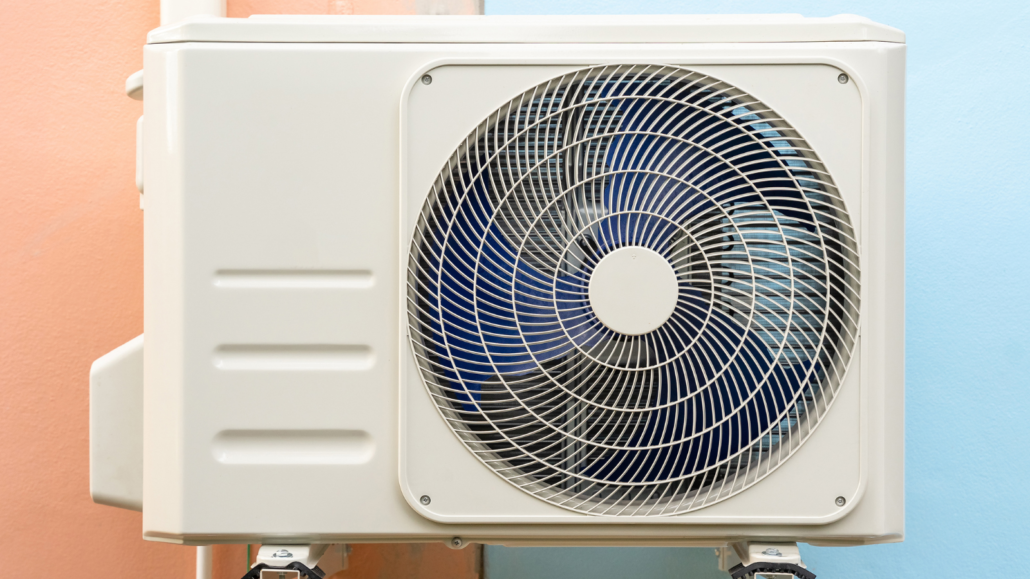
An air-source heat pump may be the better Renewable investment if your main objective is replacing a gas or oil heating system.
Heat pumps use electricity to extract heat from the air and transfer it into your heating and hot-water system. However, they work best when the property has suitable insulation, correctly sized radiators or underfloor heating, and an appropriate heating design.
Government guidance recommends using a suitably qualified installer, with MCS certification particularly important where customers want to access schemes such as the Boiler Upgrade Scheme.
For an existing home in Hounslow, it can therefore make sense to assess insulation, radiators, hot-water requirements and electrical capacity before deciding that a heat pump is the right solution.
Should you install solar panels and a battery together?
A solar PV and battery combination can be more useful than solar panels alone for properties that consume a significant amount of electricity during evenings.
Without a battery, unused solar electricity can be exported to the grid. With battery storage, some of that excess electricity can instead be stored and used later.
The ideal battery size depends on your daily electricity consumption, solar generation and usage pattern. Installing a battery purely because it is available is not always the best financial decision; a proper energy assessment should determine whether the additional cost is justified.
What affects the cost of Renewable energy installation?
The price depends heavily on the technology, property and amount of electrical or building work required. As a broad planning guide, homeowners should obtain a property-specific quotation rather than relying on a single national figure.
Factors that can affect the final price include:
- System size and equipment capacity
- Roof condition and accessibility
- Scaffolding requirements
- Electrical upgrades
- Battery storage
- Existing heating system
- Radiator or underfloor-heating upgrades
- Insulation improvements
- Planning or heritage restrictions
- DNO connection requirements
- Labour and commissioning
For context, Energy Saving Trust currently puts a typical solar-panel installation at around £7,600, although actual quotations can be higher or lower depending on the property and system.
For a business, the calculation should also consider operating hours, annual electricity consumption, available roof area and whether most generated electricity can be used on-site.
Do I need planning permission for Renewable energy?
Not necessarily. Solar panels and many heat-pump installations can fall under permitted development rights, provided they meet the applicable conditions.
However, additional restrictions can apply to listed buildings, conservation areas and properties with specific planning conditions. Government guidance states that solar installations are often permitted development but that location and design can affect planning requirements.
Rules for air-source heat pumps in England were also changed in May 2025, giving homeowners more flexibility under permitted development rules, although conditions still apply.
If your property is in Hounslow, Middlesex or another part of West London with heritage or conservation restrictions, it is sensible to check the requirements before ordering equipment.
What UK regulations apply to Renewable energy installations?
Renewable installations are not simply a case of fitting equipment and switching it on. Depending on the project, Building Regulations, electrical requirements, planning rules and Distribution Network Operator (DNO) procedures may apply.
Solar PV, heat pumps, batteries and EV charging equipment can require notification or registration with the relevant network operator. Government guidance also highlights the importance of complying with Building Regulations and registering applicable energy devices.
For heat-pump or other electrical work, using appropriately qualified installers and obtaining the required certification provides important protection for homeowners and businesses.
Which Renewable energy is best for a Hounslow home?
For a typical Hounslow property, solar PV is usually the first Renewable technology worth investigating because it directly produces electricity and can often be installed without replacing the existing heating system.
A heat pump becomes particularly attractive if you are already planning a major renovation or replacing an older heating system. Combining solar PV with a heat pump can also be worth considering because your solar-generated electricity can help supply the property’s electrical demand.
ERD Ltd provides electrical works, construction, house renovation, planning and architecture, EV charger and solar PV installation services, allowing Renewable energy requirements to be considered alongside wider renovation work rather than as an isolated installation.
How do you choose the right Renewable system?
Before committing to a system, work through this checklist:
- Review your annual electricity and heating consumption.
- Check your roof orientation, size and shading.
- Assess the condition and insulation of the property.
- Decide whether your priority is electricity generation or heating.
- Check electrical capacity and DNO requirements.
- Review planning and Building Regulations requirements.
- Compare at least two or three detailed quotations.
- Check installer qualifications, certification and warranties.
This approach is particularly important for older properties in Hounslow and wider Middlesex, where the existing building fabric and electrical installation can influence the most suitable Renewable solution.
Renewable energy for businesses in West London
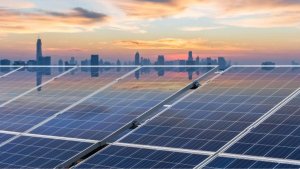
Businesses often have a different opportunity from residential properties because electricity consumption can coincide with solar generation.
For example, a business operating from 9am to 5pm may use a significant proportion of its solar electricity directly, reducing reliance on grid electricity. Larger roof areas can also provide more space for PV panels, subject to structural, planning and electrical considerations.
A commercial Renewable energy assessment should therefore look at annual electricity consumption, peak demand, operating hours, roof capacity and future energy requirements, including EV charging.
FAQ: Renewable Energy for Homes and Businesses
What is the best Renewable energy for a home in the UK?
For many UK homes, solar PV is the best starting point because it generates electricity and can work alongside an existing heating system. An air-source heat pump may be more suitable if replacing a gas or oil heating system is the main objective.
Is solar energy worth it in Hounslow?
Yes, solar PV can be worthwhile in Hounslow because panels generate electricity from daylight, including on cloudy days. The financial benefit depends on system size, electricity use, installation cost, shading and how much generated electricity you use yourself.
Do I need planning permission for solar panels in Hounslow?
Many solar installations fall under permitted development, but conditions apply. Listed buildings, conservation areas, unusual installations and specific planning restrictions can require additional checks or planning permission.
Is a heat pump better than solar panels?
Neither is automatically better. Solar PV generates electricity, while a heat pump provides heating; the right choice depends on your property’s energy requirements and existing systems.
How long does a heat pump installation take?
Many standard heat-pump installations take a couple of days, although more complex properties can require longer. Preparation, heating-system modifications and radiator or hot-water upgrades can extend the programme.
Can businesses install Renewable energy systems?
Yes. Solar PV is particularly suitable for businesses with suitable roof space and significant daytime electricity consumption. A commercial assessment should consider electricity demand, roof capacity, electrical infrastructure and planning requirements before installation.
Get a Renewable Energy Quote from ERD Ltd
If you’re considering Renewable energy for your home or business in Hounslow, Middlesex or West London, ERD Ltd can assess your project alongside your wider electrical, renovation and construction requirements. Contact ERD Ltd for a free quote and discuss the most suitable option for your property.
→ Book a Free Consultation
→ Website