Signs Your Power Sockets Need Changing: Electrical Fault Finding in Hounslow
Power sockets should be replaced if they are cracked, loose, scorched, buzzing, sparking, overheating, or repeatedly causing electrical faults. In most UK homes, a socket replacement typically takes around 30–60 minutes, although more serious wiring problems may require additional electrical fault finding. In Hounslow and across West London, damaged sockets should be inspected by a qualified electrician rather than repaired as a DIY job.
How Do You Know When a Power Socket Needs Replacing?
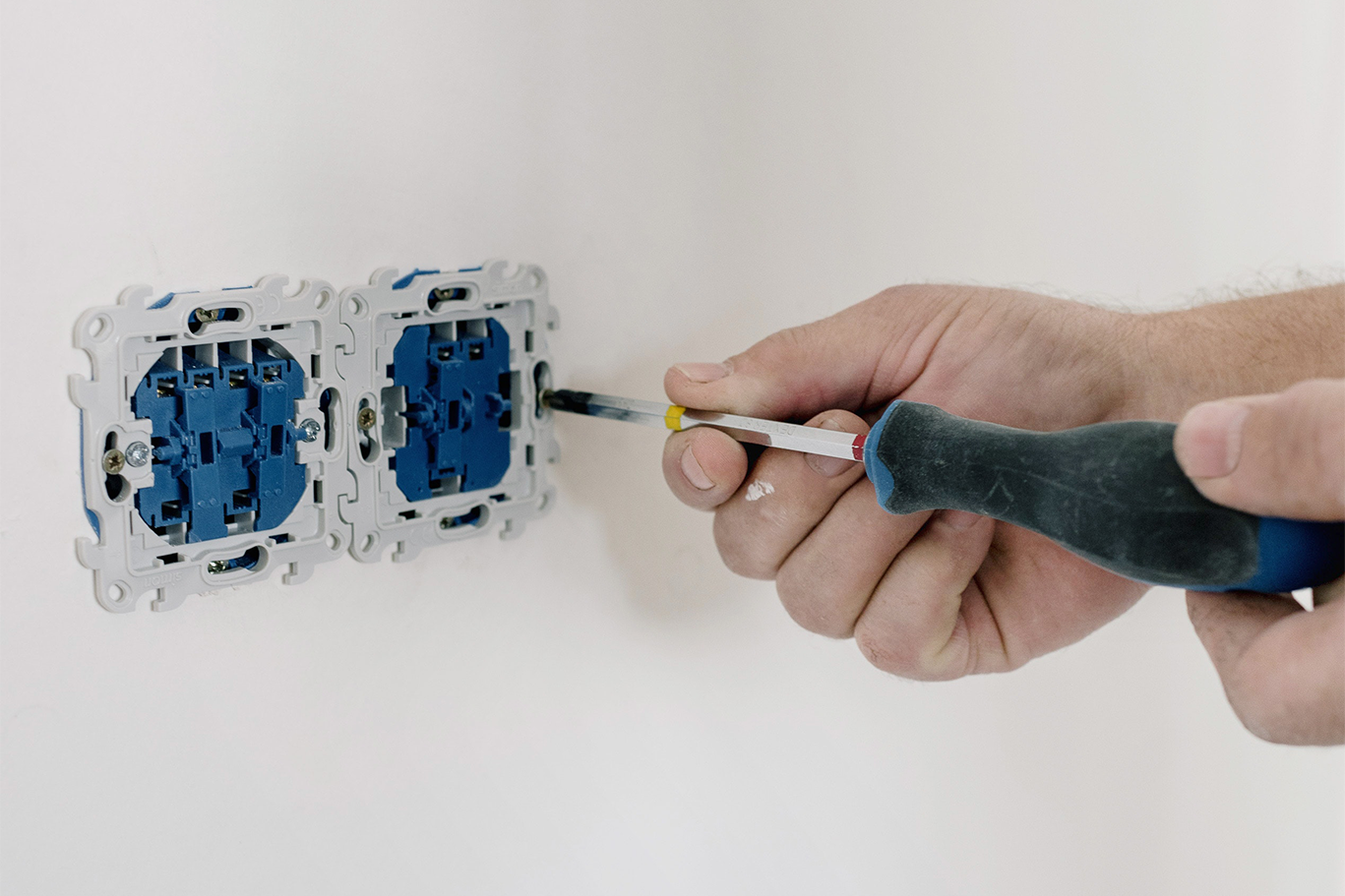
A power socket can look usable while developing an electrical fault behind the faceplate. If you notice physical damage, unusual sounds, heat or inconsistent power, it is worth having the socket professionally inspected.
Common warning signs include:
- Cracks or broken plastic around the socket
- A socket that feels loose or moves when a plug is inserted
- Burn marks or discolouration
- A buzzing, crackling or sizzling sound
- A socket that becomes hot during normal use
- Plugs that repeatedly fall out or do not fit securely
- Sparks when plugging in or removing an appliance
- Frequent tripping of the circuit breaker
- A socket that intermittently stops supplying power
One isolated issue may be a faulty socket, but repeated problems can indicate a wider wiring or circuit fault.
Is a Cracked or Loose Socket Dangerous?
Yes. A cracked socket can expose internal components, while a loose socket may indicate that the electrical connections or mounting box are no longer secure.
A loose connection can create resistance and heat. Over time, this can damage the socket and potentially increase the risk of electrical arcing or fire.
Do not continue using a socket that is visibly damaged, smells burnt or becomes unusually hot. Switch off the relevant circuit if it can be done safely and arrange an inspection.
Why Is My Power Socket Buzzing or Crackling?
Buzzing and crackling are not normal sounds from a power socket. They can be caused by a loose connection, damaged wiring, a faulty socket mechanism or an overloaded circuit.
Electrical fault finding may be necessary to establish whether the problem is limited to the socket or extends to other parts of the circuit.
For homeowners in Hounslow, Middlesex and West London, professional diagnosis is particularly important in older properties where wiring and accessories may have been installed many years ago.
Should You Replace a Socket That Feels Hot?
Yes, an unusually hot socket should be investigated promptly. A small amount of warmth can occur with some high-power appliances, but a socket that becomes very hot to touch, smells of burning or shows discolouration requires attention.
Possible causes include:
- Loose electrical connections
- An overloaded circuit
- A damaged socket
- A faulty appliance
- Undersized or deteriorated wiring
- Poor-quality electrical accessories
Replacing the faceplate alone will not solve the problem if the underlying wiring is damaged.
How Often Should Electrical Sockets Be Replaced?
There is no universal UK rule requiring domestic sockets to be replaced after a fixed number of years. Their condition, installation quality and electrical performance are more important than age alone.
However, sockets should be inspected when they become damaged, loose, discoloured or unreliable. During a house renovation, kitchen renovation or major refurbishment, it is also sensible to assess existing sockets before new finishes cover the walls.
Older properties in West London may have several generations of electrical work, making inspection particularly useful before renovation work begins.
Can I Replace a Power Socket Myself?
Replacing a socket involves electrical work and should not be treated like an ordinary DIY repair. UK electrical installations must meet the applicable requirements of BS 7671 (IET Wiring Regulations), and certain work may also fall under Building Regulations requirements.
If you are unsure about the condition of the wiring, do not remove the socket yourself. A qualified electrician can inspect the circuit, identify faults and determine whether the socket, wiring or protective devices need attention.
This is also why searching for an industrial electrician is not always appropriate for a domestic socket problem. Homeowners generally need an electrician experienced in domestic electrical installations and fault diagnosis.
What Happens During Electrical Fault Finding?
Professional electrical fault finding usually starts with identifying the symptoms and checking the affected circuit.
A typical process may include:
- Discussing the problem – The electrician asks when the fault occurs and which appliances or sockets are affected.
- Visual inspection – The socket, faceplate, surrounding area and accessible wiring are checked for damage.
- Circuit testing – Appropriate electrical tests are carried out to identify faults.
- Identifying the cause – The electrician determines whether the issue is the socket, wiring, appliance or wider circuit.
- Repair or replacement – Damaged components are replaced and defective connections are addressed.
- Final testing – The circuit is checked to confirm that it is operating safely.
The time required depends on the fault. A straightforward socket replacement may take around 30–60 minutes, while tracing an intermittent wiring fault can take significantly longer.
How Much Does It Cost to Change a Power Socket in the UK?
A straightforward socket replacement is usually less expensive than electrical fault finding involving concealed or damaged wiring. A typical domestic electrician may charge approximately £80–£150 for a basic socket replacement, depending on location, access, socket type and labour rates.
Additional costs can apply for:
- New or upgraded socket types
- USB or smart sockets
- Additional wiring
- Damaged mounting boxes
- Circuit repairs
- Fault finding and testing
- Multiple socket replacements
For an accurate price, an electrician should assess the existing installation rather than quoting solely from photographs.
Do Electrical Regulations Apply When Replacing Sockets?
Yes. Electrical work in UK homes must be carried out to the applicable safety requirements. BS 7671 provides the main technical framework for electrical installations, while relevant Building Regulations requirements may apply depending on the nature and location of the work.
For workplaces, additional requirements and responsibilities can apply under electrical regulations at work, including duties relating to maintaining electrical systems safely.
If you are carrying out renovation work in a Hounslow property, it is sensible to coordinate socket replacement with the wider electrical installation rather than completing isolated changes after walls and finishes have been installed.
What About New Sockets During a Home Renovation?
A renovation is often the best opportunity to review socket locations and electrical capacity. Modern households typically use more appliances, chargers, computers and entertainment equipment than older installations were originally designed to accommodate.
During a renovation, consider:
- The number of sockets required in each room
- Socket positions behind furniture
- Kitchen appliance requirements
- Home office equipment
- TV and media equipment
- Outdoor electrical requirements
- EV charging requirements
- Future lighting and smart-home needs
If you are considering electrical work as part of a wider renovation, ERD Ltd can coordinate electrical requirements alongside its house renovation, kitchen renovation, construction and interior design services.
What If I Want to Train to Be an Electrician?
If you are researching how to train to be an electrician, remember that professional electrical work requires appropriate training, practical experience and knowledge of current UK requirements. It is not a trade where homeowners should rely on online tutorials for complex installation or fault-finding work.
For homeowners, the important point is simple: use a suitably qualified professional for electrical installation, inspection and fault finding rather than attempting potentially dangerous repairs yourself.
When Should You Call an Electrician Immediately?
Contact an electrician promptly if you notice burning smells, smoke, repeated sparks, severe overheating, exposed wiring or repeated circuit trips.
If there is smoke or an active electrical fire, leave the property if necessary and contact the emergency services. Do not put yourself at risk trying to investigate or repair the fault.
For properties in Hounslow, Middlesex and across West London, early inspection can help identify electrical problems before they become more extensive and expensive.
FAQ: Power Socket Replacement and Electrical Fault Finding
How do I know if my power socket is faulty?
Look for cracks, looseness, buzzing, crackling, overheating, burn marks, sparks or intermittent power. These signs can indicate a faulty socket or a wider electrical problem requiring professional fault finding.
How long does it take to replace a power socket?
A straightforward socket replacement can take approximately 30–60 minutes. If the electrician discovers damaged wiring, a faulty circuit or another underlying issue, additional time may be required.
Is a buzzing electrical socket dangerous?
A buzzing socket should not be ignored. It may indicate a loose connection, damaged component or another electrical fault that could create heat or arcing.
How much does it cost to replace an electrical socket in the UK?
A basic domestic socket replacement may cost around £80–£150, although the final price depends on the socket type, access, location and whether additional wiring or fault finding is required.
Can I replace a power socket myself in the UK?
Electrical socket replacement should be approached with caution because UK electrical installations must meet applicable safety requirements. If you are not suitably competent and trained, use a qualified electrician rather than attempting the work yourself.
When should I replace old electrical sockets?
Replace or investigate sockets when they become damaged, loose, hot, discoloured, noisy or unreliable. Age alone does not necessarily mean a socket needs replacement, but older installations should be assessed when faults or renovation work arise.
Get Your Electrical Sockets Checked
If you have damaged, loose, overheating or unreliable sockets, ERD Ltd can help identify the electrical issue and advise on the appropriate repair or replacement. Contact ERD Ltd for a free quote for electrical work in Hounslow and across West London.
→ Book a Free Consultation
→ Website