
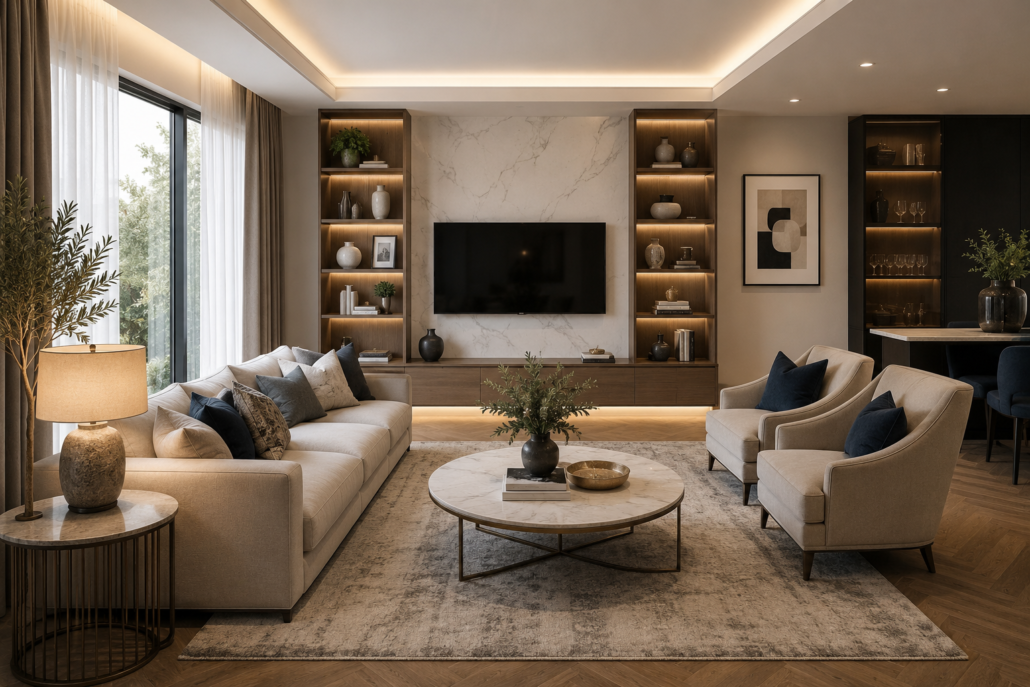
How to Choose an Interior Design Style for Your Home Renovation
Choosing an interior design style for your home renovation starts with understanding your lifestyle, property type, budget and personal preferences. Modern, Scandinavian, traditional and Japandi interiors are suitable options for different UK homes. The right style should balance appearance, functionality and maintenance while creating a consistent look throughout your renovated property.
For homeowners in Hounslow, Middlesex and West London, choosing a home design style before renovation begins can make decisions about flooring, lighting, colours and furniture easier.
Whether you’re renovating a Victorian terrace, updating a family home or planning a modern extension, selecting a clear interior design direction helps create a practical and cohesive living space.
How to Choose a Home Design Style for Renovation
Choosing a home design style for renovation involves comparing your property’s architecture, available space, lifestyle and budget before selecting colours, materials or furniture.
Follow these five steps to find a suitable interior design style.
1. Identify Your Home’s Architectural Style
Consider whether your property is Victorian, Edwardian, contemporary or a modern flat. Traditional homes may suit classic interiors, while newer properties often work well with minimalist or contemporary designs.
2. Consider Your Lifestyle
Choose an interior style that supports your daily activities. Families may prefer durable materials and practical storage, while smaller households might prioritise flexible layouts and minimalist furniture.
3. Compare Different Interior Design Styles
Explore modern, Scandinavian, Japandi, traditional and industrial interiors. Compare their colours, materials, furniture and maintenance requirements before making a decision.
4. Set a Realistic Renovation Budget
Your budget should cover flooring, lighting, furniture, decoration and any necessary building work. Prioritise essential improvements before selecting decorative features.
5. Create a Consistent Design Plan
Choose a coordinated colour palette, flooring materials and lighting scheme. A consistent approach helps different rooms feel connected without making every space look identical.
For homeowners planning a house renovation in Hounslow or West London, finalising the design style early can reduce unnecessary changes during construction.
Which Interior Design Style Is Best for Your Home?
| Interior design style | Best suited for | Main features |
|---|---|---|
| Modern | Extensions and contemporary homes | Clean lines, neutral colours, open spaces |
| Scandinavian | Small homes and flats | Light colours, natural wood, simple furniture |
| Traditional British | Victorian and Edwardian homes | Classic details, heritage colours, decorative features |
| Japandi | Minimalist family homes | Natural materials, warm neutrals, functional layouts |
| Industrial | Loft-style properties | Exposed brick, metal finishes, darker colours |
| Modern Classic | Period homes with contemporary updates | Traditional details with modern finishes |
The best interior design style depends on your home’s architecture, available space and daily needs. Scandinavian and Japandi interiors can work particularly well in smaller properties, while traditional and modern-classic designs can complement period homes. Contemporary interiors are often suitable for modern extensions and open-plan renovations.
How to Choose an Interior Design Style for a Small Home in Hounslow
Choosing an interior design style for a smaller home requires a balance between appearance and functionality. Many homeowners in Hounslow and West London want rooms that feel brighter, provide enough storage and remain comfortable for everyday living.
Consider these practical ideas:
- Use light colours carefully: Warm white, soft beige and pale neutral shades can help reflect natural light.
- Choose furniture that fits the room: Measure the space before buying large sofas, dining tables or storage units.
- Make storage part of the design: Built-in cupboards and multifunctional furniture can reduce clutter.
- Plan lighting early: Combine general lighting with task lighting for kitchens, workspaces and reading areas.
- Keep finishes coordinated: Choose a small, consistent palette of flooring, wall colours and hardware throughout connected rooms.
For Victorian and Edwardian properties, consider preserving original features where practical while introducing modern lighting, storage and durable materials.
If your renovation involves removing walls, altering the structure or changing the layout, obtain appropriate professional advice before construction begins.
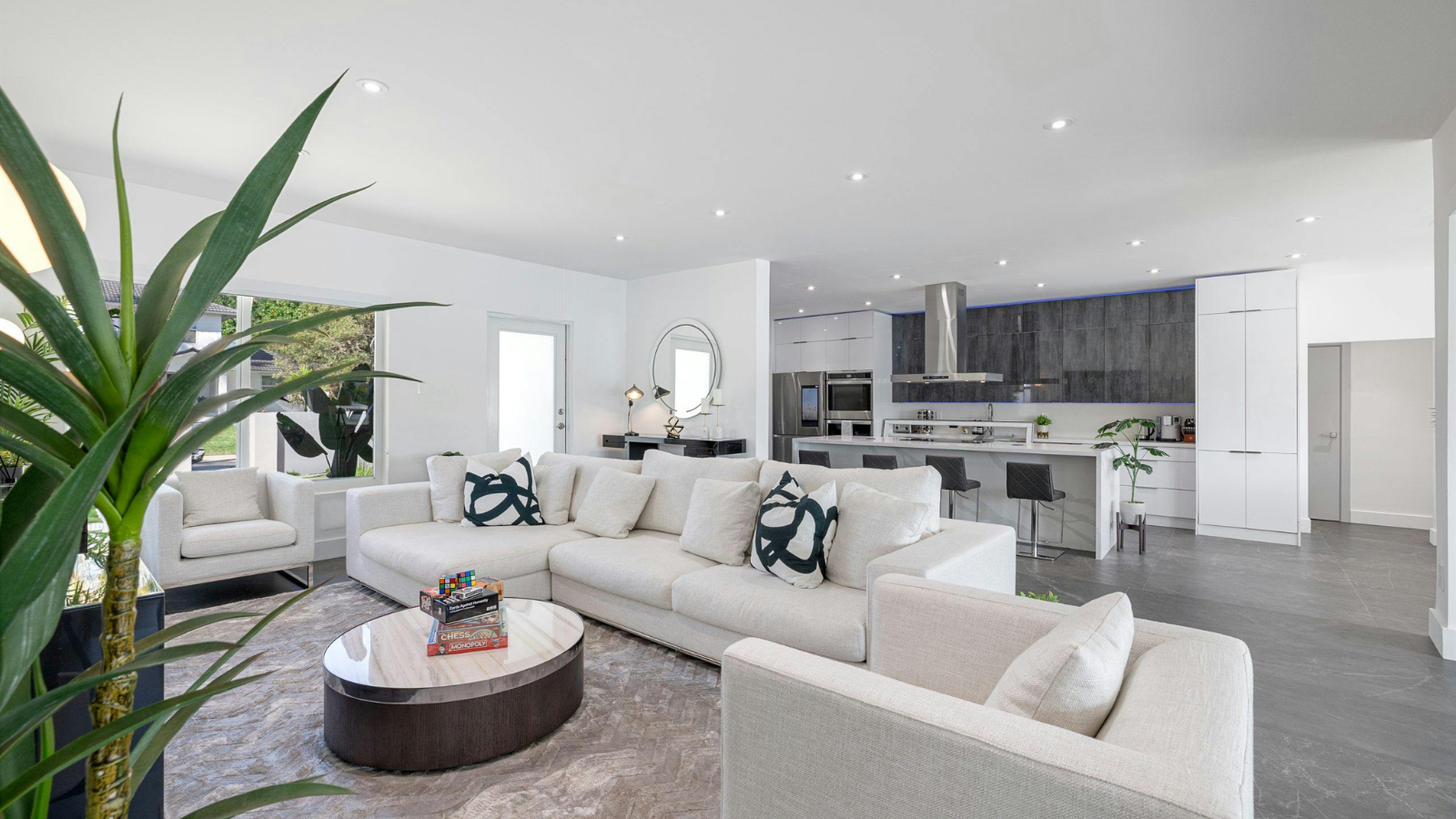
Which Interior Design Style Is Best for Different UK Homes?
The most suitable interior design style depends on the property’s layout, architectural features and available natural light.
Best Interior Design Style for Small Homes
Scandinavian and Japandi interiors are practical choices for smaller homes. Light colours, simple furniture and integrated storage can help create an open, uncluttered appearance.
Best Interior Design Style for Victorian Houses
Traditional British and modern-classic interiors can complement Victorian properties. Original fireplaces, decorative mouldings and timber flooring can be combined with modern lighting and practical storage.
Best Interior Design Style for Modern Extensions
Contemporary interiors are often suitable for modern extensions. Open-plan layouts, large windows, integrated lighting and coordinated finishes can create a consistent appearance.
Best Interior Design Style for Family Homes
Modern-classic and Scandinavian interiors can work well for family living. Durable flooring, washable finishes, comfortable furniture and sufficient storage should take priority over short-lived design trends.
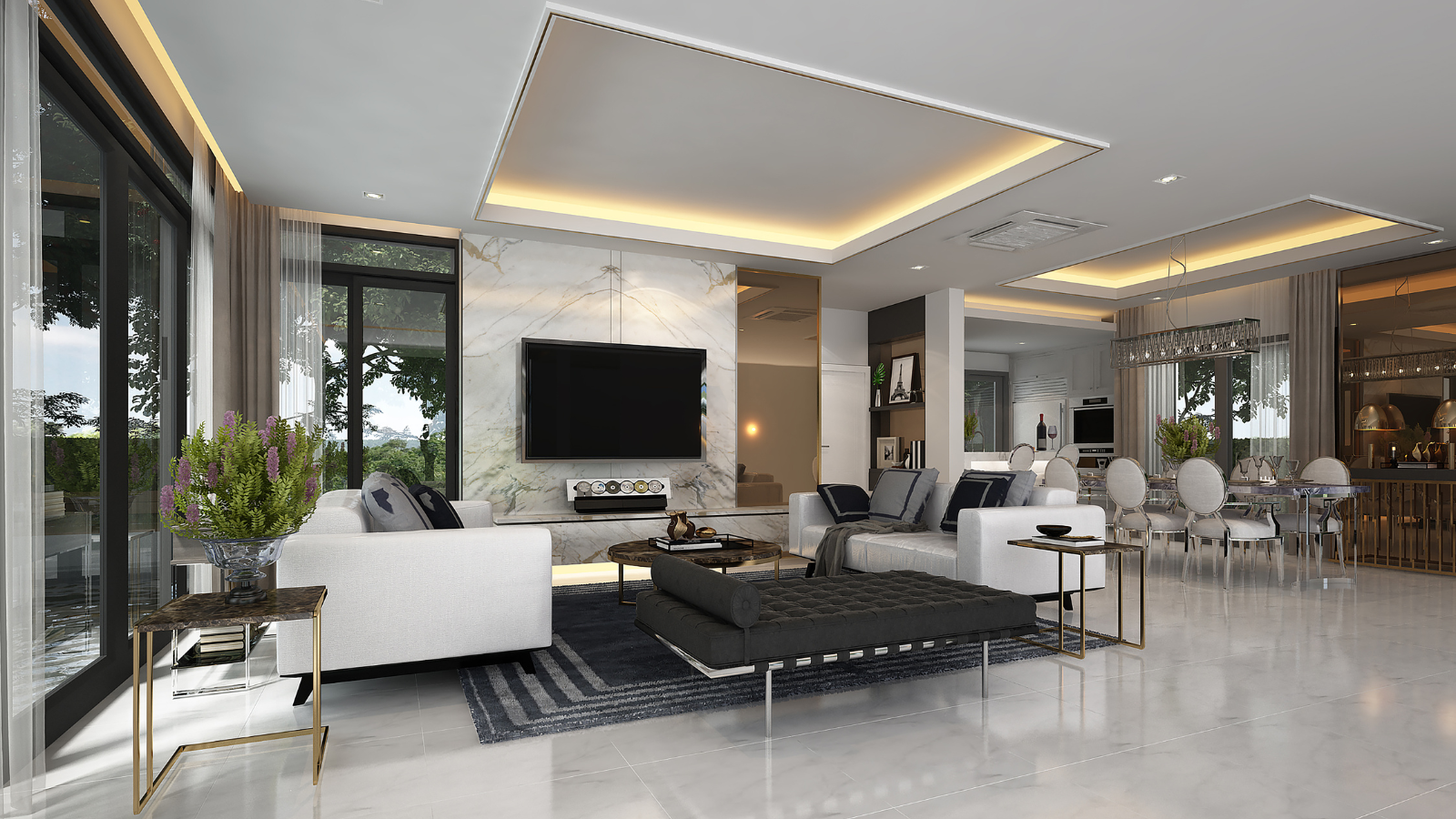
How to Choose the Right Style for Your Property
Before selecting an interior style, assess your property rather than choosing a style from a Pinterest image.
1. Start with the architecture
Look at:
- Ceiling height
- Original mouldings
- Fireplaces
- Windows
- Flooring
- Brickwork
- Existing doors
- Natural light
A period property does not have to remain completely traditional, but the design should acknowledge its original character.
2. Consider your lifestyle
Ask:
- Do you have children?
- Do you have pets?
- Do you work from home?
- Do you entertain regularly?
- Do you need significant storage?
- How much time do you want to spend maintaining the interior?
A family home may need durable flooring and practical storage, while a couple without children may prioritise larger furniture, decorative finishes and entertaining areas.
3. Consider natural light
The amount and direction of natural light should influence your colour and material choices.
A darker room may benefit from:
- Warm light colours
- Reflective surfaces
- Lighter flooring
- Layered lighting
- Mirrors used strategically
A bright south-facing room can usually accommodate deeper colours and stronger contrasts.
4. Set your renovation budget before choosing finishes
Your preferred style should be realistic for your budget.
Instead of choosing expensive materials first, divide the budget into:
- Structural work
- Kitchen and bathrooms
- Flooring
- Lighting and electrical
- Joinery/storage
- Decoration
- Furniture
- Contingency
This prevents the design from becoming unaffordable halfway through the renovation.
How Much Does Interior Design Cost During a UK Renovation?
Interior design costs vary significantly depending on the property size, number of rooms, design complexity, materials, drawings, procurement and project management.
The total budget can be affected by:
- Number of rooms
- Structural changes
- Kitchen and bathroom specification
- Bespoke joinery
- Lighting requirements
- Flooring and finishes
- Furniture
- Design revisions
- Contractor coordination
For a renovation, it is usually more useful to request a project-specific quotation than to rely on a generic “cost per room”.
Common Interior Design Mistakes During a Renovation
1. Choosing a style before understanding the property
A style should respond to the building rather than being copied from an unrelated property.
2. Buying finishes too early
Do not order flooring, tiles, lighting or sanitaryware before dimensions and technical requirements have been confirmed.
3. Focusing only on appearance
Storage, electrical points, lighting, circulation and furniture dimensions should be planned alongside aesthetics.
4. Mixing too many styles
Choose one dominant style and use secondary influences carefully.
5. Ignoring lighting
The same colour can look completely different under natural light, warm lighting and cool lighting.
6. Designing room by room without considering the whole house
Individual rooms should have their own character while maintaining a consistent overall direction.
7. Following trends too closely
Trends can be introduced through furniture, accessories and paint rather than expensive permanent finishes.
Ye section strong hai because it addresses real user problems instead of just describing styles.
How to Build a Balanced Colour Palette
A simple starting point is to use one dominant colour, one supporting colour and a smaller accent colour. The exact proportions do not need to be rigid; the aim is to create visual balance rather than follow a fixed formula.
Why Homeowners in Hounslow Choose ERD Ltd
Choosing an experienced renovation company means your interior design isn’t treated as an afterthought.
ERD Ltd provides a complete one-stop solution, including:
- House renovation services
- Kitchen renovation services
- Bathroom remodeling
- Loft conversions
- Construction and home extensions
- Planning and architecture
- Interior design services
- Electrical works
- EV charger installation
- Solar PV installation
Our licensed tradesmen, experienced project managers, and trusted design specialists work together from concept through completion, helping homeowners across Hounslow, Middlesex, and West London achieve stylish, practical homes without managing multiple contractors.
Final Thoughts
Choosing an interior design style isn’t about following trends it’s about creating a home that reflects your personality while supporting the way you live every day.
By considering your lifestyle, home’s architecture, colour palette, lighting, and future needs before construction begins, you’ll create a cohesive, timeless space that adds lasting value to your property.
Working with an experienced renovation specialist like ERD Ltd ensures your design vision is integrated into every stage of the renovation, from planning and architecture through to the final decorative finishes.
Frequently Asked Questions
How do I choose an interior design style for my home?
Choose an interior design style by considering your home’s architecture, lifestyle, budget and preferred colours. Compare different styles, create a mood board and select materials that suit your daily needs.
What is the best interior design style for a small house?
Scandinavian, Japandi and minimalist styles are suitable for small houses. Light colours, multifunctional furniture and built-in storage can make compact rooms feel more spacious.
How do I choose a home design style before renovation?
Start by reviewing your property’s layout, identifying your preferred style and setting a renovation budget. Finalise your colour palette, flooring and lighting before construction begins.
Can I mix two interior design styles in one home?
Yes. Combining complementary styles, such as modern and traditional or Scandinavian and Japandi, can create a balanced interior. Use consistent colours and materials to connect different design elements.
Which interior design style is best for a Victorian house?
Traditional British and modern-classic styles often suit Victorian houses. They can preserve original architectural details while incorporating modern kitchens, lighting and storage.
Should I choose my interior design style before renovating?
Yes. Selecting your design style before renovation helps coordinate materials, lighting, flooring and furniture. It can also reduce expensive design changes during construction.
→ Book a Free Consultation
→ Website