

EV Charging Installation Costs, Grants and Setup Way 2026
Introduction EV Charging Installation:
EV Charging Installation has become one of the most in-demand home upgrades across the United Kingdom in 2026. With electric vehicle ownership rising quickly and public charging networks often struggling to meet growing demand, installing a dedicated home charger is no longer just a luxury it is now a practical need for every EV driver who values convenience, reliability, and long-term savings on daily charging costs.
Whether you have recently bought your first electric vehicle, are preparing in advance for delivery, or are a landlord aiming to future-proof a rental property, this guide explains everything you need to know about EV Charging Installation. It covers charger types, the full installation process, available government grants to reduce expenses, essential regulations installers must follow, and how to choose a certified professional you can trust.
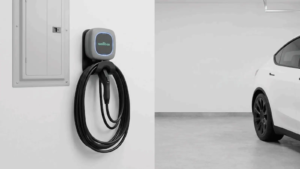
Why Home EV Charger Installation Makes Financial Sense?
The economics of home charging compared to public charging are highly attractive, and in 2026 the gap has become even wider. Public rapid chargers at motorway services and street locations typically cost between 50p and 85p per kWh during peak hours. In contrast, standard home electricity rates are around 24p to 30p per kWh. With an off-peak tariff like Octopus Go, home charging can drop dramatically to just 7p to 9p per kWh.
For drivers covering around 10,000 miles per year in a typical EV that delivers about 4 miles per kWh, the yearly savings from home charging instead of public rapid charging can range from £575 up to nearly £2,000. In most cases, these savings can recover the full cost of EV Charging Installation within just one to two years.
Beyond financial benefits, EV Charging Installation at home provides unmatched convenience. You simply plug in after arriving home and wake up to a fully charged vehicle every morning. No waiting at stations, no unnecessary detours, and no hassle with weather-exposed cables. It turns EV ownership into a seamless, automatic experience similar to charging your phone.
Types of EV Charging Installation Available in the UK
Before booking an EV Charging Installation, it is important to understand the different types of chargers available. In the UK, EV chargers are generally grouped into three levels slow, fast, and rapid each designed for different usage needs and environments.
Slow Chargers (3kW)
Slow chargers typically use a standard three-pin domestic socket and do not require any specialist installation. They provide around 3kW of power and can take 12 to 24 hours to fully charge a modern electric vehicle from empty. While they may be useful in emergencies, they are not ideal for regular use as they are inefficient, put long-term strain on household sockets, and cannot keep up with the daily charging needs of most EV drivers.
Fast Chargers (7kW) – EV Charging Installation Standard
A 7kW smart wallbox is the most common choice for EV Charging Installation in the UK in 2026. It offers the best balance of speed, cost, and practicality for most homeowners. A typical 7kW charger can fully charge most EVs overnight, usually within 6 to 10 hours depending on battery size. The total cost for a complete EV Charging Installation including the unit, labour, cable routing, DNO notification, and Part P certification generally ranges from £750 to £1,200.
Some properties may also support a 22kW three-phase charger, which can charge compatible vehicles much faster. However, three-phase electricity is not available in all UK homes, and vehicle compatibility must always be confirmed before installation.
Rapid and Ultra Rapid Chargers (50kW+)
Rapid and ultra-rapid chargers are mainly used in public and commercial locations such as motorway service stations, supermarkets, and charging hubs. They are not suitable for typical residential EV Charging Installation due to high infrastructure requirements. For home use, a 7kW or 22kW system remains the most practical solution.
Tethered vs Untethered Chargers EV Charging Installation Choice
When planning an EV Charging Installation, you will also need to choose between a tethered charger, which comes with a fixed cable attached, and an untethered unit, which uses a separate cable connected to the socket. Tethered chargers are more popular for home users due to their convenience, while untethered chargers offer flexibility for households with multiple EVs or different connector types.
UK Government Grants for EV Charging Installation in 2026
The UK government continues to encourage EV Charging Installation through several financial support schemes managed by the Office for Zero Emission Vehicles (OZEV). Knowing which grant you qualify for is essential before starting your installation, especially as eligibility rules were updated in April 2026.

EV Charge point Grant for Renters and Flat Owners
From 1 April 2026, the EV Charge point Grant increased to £500 per socket and now covers up to 75% of eligible EV Charging Installation costs. This scheme is available for renters, flat owners, and residents with on-street parking who require a cross-pavement charging solution.
However, homeowners with detached or semi-detached properties and private off-street parking are no longer eligible under this route, as the previous home charger scheme closed in April 2022.
The grant is applied directly by your installer as a discount on the invoice, meaning you do not need to make a separate application. The installer submits the claim after completing the EV Charging Installation using the government portal, supported by photographic evidence and a valid quote. Most applications are processed within around 10 working days.
EV Charge point Grant for Landlords
Residential landlords can access a separate grant offering up to £500 per socket, covering up to 75% of EV Charging Installation costs, with a limit of up to 200 sockets per applicant. This scheme helps landlords upgrade properties and improve attractiveness for EV-using tenants and remains available until 31 March 2027.
Workplace Charging Scheme
Businesses, charities, and public sector organizations can benefit from the Workplace Charging Scheme, which provides up to £500 per socket for EV Charging Installation at staff or fleet charging points, with a maximum of 40 sockets per organization. This scheme is also funded until 31 March 2027.
Cross-Pavement Grant
For residents without private driveways, the cross-pavement grant supports safe EV Charging Installation by funding up to £500 for a charging gully or cable channel beneath the pavement. This allows secure overnight charging and can be used alongside other eligible grants where applicable.
How to Choose a Qualified EV Charging Installation Installer
Not every electrician is properly qualified to carry out a safe and compliant EV Charging Installation. Choosing the right professional is essential for safety, eligibility for grants, and long-term reliability. Here are the key factors to consider.
OZEV Approved Installer
If you want to claim government support for EV Charging Installation, your installer must be approved by OZEV. Without this approval, you will not be eligible for the EV Charge point Grant, so always confirm their status before booking.
NICEIC or NAPIT Registration
A qualified installer should be registered with a recognized competent person scheme such as NICEIC or NAPIT. This ensures they are authorized to self-certify electrical work under Part P of the Building Regulations, removing the need for separate building control approval and ensuring your EV Charging Installation meets UK safety standards.
City & Guilds 2919 Qualification
While any registered electrician may install an EV charger, professionals holding the City & Guilds 2919 qualification are specifically trained for EV Charging Installation. This includes expertise in earthing systems, DNO notification procedures, and correct protective device selection, all of which are critical for safe and compliant installations.
Experience and Customer Reviews
Before choosing an installer, always check their previous EV Charging Installation projects and independent customer reviews. A reputable professional will have proven experience, be willing to provide references, and carry appropriate public liability insurance for added peace of mind.
How to Choose a Qualified EV Charger Installer
Not all electricians are equally qualified to carry out EV Charging Installation or EV Charger Installation to the required safety and regulatory standards. Choosing the right professional is essential for a safe and compliant Home EV Charger Installation. Here is what to look for when selecting an installer.
OZEV Approved Installer
To apply for the government EV Charge point Grant, your installer must be OZEV approved. For any EV Charging Installation, always confirm this before booking, as using an unregistered installer will make you ineligible for the grant.
NICEIC or NAPIT Registration
Your installer should be registered with a recognized competent person scheme such as NICEIC or NAPIT. This ensures they are authorized to self-certify electrical work under Part P of the Building Regulations without requiring separate building control involvement, ensuring your EV Charger Installation meets UK safety standards.
City & Guilds 2919 Qualification
While any registered electrician can technically carry out an EV Charging Installation, professionals holding the City & Guilds 2919 EV Charging Equipment Installation qualification are specifically trained in earthing systems, DNO notification procedures, and protective device selection required for safe Home EV Charger Installation.
Experience and Reviews
Always ask for evidence of previous EV Charger Installation projects and check independent reviews. A reputable installer will have proven experience, be willing to provide references, and carry appropriate public liability insurance for safe and reliable EV Charging Installation work.
EV Charging Installation by ERD Ltd Across West London
ERD Ltd is a multi-trade construction and renovation company based in Hounslow, Middlesex, offering professional EV Charging Installation and EV Charger Installation services across West London and surrounding areas. Our qualified electricians specialize in both domestic and commercial installations, ranging from standard 7kW home wall box systems to advanced integrated solar and EV charging solutions for residential properties, landlords, and businesses. We also provide expert Home EV Charger Installation tailored to modern EV drivers.
We manage the entire EV Charging Installation process from start to finish, including initial site survey, grant eligibility checks, installation, certification, and final handover. Every project is completed in full compliance with current UK regulations, ensuring safety, efficiency, and long-term reliability. Whether you are a homeowner, tenant, landlord, or business owner, we assess your property, confirm available grants, and provide a clear, transparent quote with no hidden charges.

Related Services:
You can also explore:
Get in Touch
- Email: info@erdltd.co.uk
- Phone: +44 7956 448553
Follow Us on Social Media
- Facebook: https://www.facebook.com/erdltduk/
- Instagram: https://instagram.com/erdltduk/
- LinkedIn: https://www.linkedin.com/company/erdltduk/
We look forward to hearing from you and helping with your environmental and development needs.For more information on ERDLtd’s technical services, visit their website: https://erdltd.co.uk/