Boiler Installation UK: Costs, Grants & Tips 2026
Introduction about Boiler Installation:
Boiler installation UK demand has reached record levels in 2026, as homeowners across the country look to replace ageing, inefficient systems with modern, energy-efficient alternatives. Whether you’re dealing with a broken-down combi boiler, planning ahead before winter, or simply trying to cut down on rising energy bills, understanding the full picture of boiler installation UK costs, grants, and processes is essential before committing to such a significant home investment. With energy prices remaining unpredictable and environmental regulations tightening, more households than ever are exploring their options for replacing outdated heating systems with reliable, future-proof solutions.
This comprehensive breakdown covers everything you need to know about boiler installation UK in 2026 from the different types of boilers available, to real-world costs, government grant schemes, installation timelines, and how to choose a qualified installer you can trust.

Why Boiler Replacement Matters in 2026?
The average boiler lasts between 10 and 15 years, and as more systems installed in the mid-2010s reach the end of their working life, replacement demand has surged. An old, inefficient boiler doesn’t just risk sudden breakdowns during the coldest months it can also be quietly costing you hundreds of pounds a year in wasted energy.
Modern condensing boilers operate at efficiency rates of 90% or higher, compared to older non-condensing models that may only reach 70-80% efficiency. For a typical three-bedroom home, this difference can translate into noticeable annual savings on heating bills, making boiler installation UK projects one of the most cost-effective home improvements available today.
Beyond efficiency, newer boilers are also quieter, more compact, and often come with smart thermostat compatibility, allowing homeowners to control heating remotely and optimize usage patterns throughout the day.
Types of Boilers Available
Choosing the right boiler type is the first major decision in any boiler installation UK project. The three most common types are:
Combi Boilers
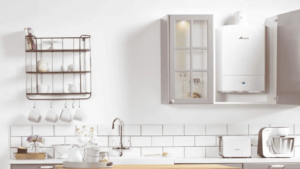
Combination boilers, or “combi boilers,” are the most popular choice in UK homes, particularly in smaller properties and flats. They heat water directly from the mains on demand, eliminating the need for a separate hot water cylinder or storage tank. This makes them compact, space-saving, and relatively quick to install. However, they may struggle to supply high-demand households with multiple bathrooms running simultaneously.
System Boilers
System boilers work well for homes with higher hot water demand, as they store hot water in a cylinder while still drawing most components internally, reducing the need for a loft tank. They’re a popular middle-ground option for medium to large households that want strong water pressure without the full footprint of a traditional setup.
Regular (Conventional) Boilers
Also known as heat-only boilers, these are typically found in older properties and require both a cold water storage tank (usually in the loft) and a hot water cylinder. While bulkier, they remain a practical choice for homes with traditional heating systems already in place, particularly where multiple bathrooms are in use.
Electric Boilers
A smaller but growing segment, electric boilers are gaining traction as homes move away from gas, particularly in properties without mains gas access. They tend to be quieter and require less maintenance, though running costs can vary depending on electricity tariffs.
Government Grants and Funding Schemes
One of the most valuable aspects of planning a boiler installation UK project in 2026 is taking advantage of available government support. Several schemes exist to help offset the cost of upgrading to more efficient or low-carbon heating systems:
Boiler Upgrade Scheme (BUS)
This scheme primarily supports the switch from fossil-fuel boilers to low-carbon heating systems like heat pumps, though some elements continue to evolve as policy shifts. Homeowners replacing older gas boilers with eligible renewable alternatives may receive substantial grant contributions, reducing upfront costs considerably.
ECO4 Scheme
The Energy Company Obligation (ECO4) scheme targets low-income and vulnerable households, offering free or heavily subsidized boiler replacements for those who qualify based on benefits received or property energy performance ratings.
Local Authority Grants
Many local councils offer additional funding or discounted installation rates for residents, particularly for those in social housing or designated improvement zones. It’s worth checking with your local council directly, as availability and criteria vary by region.
VAT Reductions
Certain energy-efficiency installations may qualify for reduced VAT rates (5% instead of the standard 20%), which can make a noticeable difference on a project totaling several thousand pounds.
Always verify current eligibility criteria directly through official government channels before assuming you qualify, as schemes and thresholds are reviewed periodically throughout the year.
The Boiler Installation Process
Understanding what to expect during the installation itself can help homeowners plan around the disruption and ensure quality work. A typical boiler installation UK project follows these stages:
- Initial Survey: A Gas Safe registered engineer visits to assess your current system, property layout, and heating requirements.
- Quotation: You’ll receive a detailed written quote outlining the boiler model, labour costs, and any additional work required.
- Scheduling: Installation dates are arranged, typically within one to three weeks depending on installer availability.
- Removal of Old Boiler: The existing unit is safely disconnected and removed.
- Installation: The new boiler is fitted, connected to existing or upgraded pipework, and the system is tested.
- Commissioning and Certification: The engineer commissions the system, provides a Benchmark certificate, and registers the installation with Gas Safe (for gas boilers) for building regulations compliance.
Common Mistakes to Avoid During Boiler Installation
Even with a clear understanding of costs and processes, many homeowners make avoidable mistakes during their boiler installation UK journey that end up costing time and money. One of the most frequent errors is choosing a boiler based on price alone, without considering the correct size and output for the property. An undersized boiler will struggle to meet hot water and heating demand, leading to inefficiency and premature wear, while an oversized unit wastes energy and money unnecessarily. A proper heat loss calculation, carried out by a qualified engineer, ensures the boiler matches your home’s actual requirements rather than a generic estimate.
Another common mistake is accepting verbal quotes instead of detailed written estimates. Without an itemised breakdown covering the unit, labour, pipework, flue work, and certification, homeowners can be caught off guard by unexpected charges once work begins. Always insist on a written quote before any work is scheduled.
Skipping the Gas Safe registration check is another costly oversight. Hiring an unregistered installer for gas boiler work isn’t just risky from a safety standpoint — it can also invalidate insurance, void manufacturer warranties, and breach building regulations, leaving homeowners legally and financially exposed if something goes wrong.
Many homeowners also overlook the importance of system flushing before installing a new boiler. Old sludge and debris left in existing pipework can damage a brand-new unit within months, leading to reduced efficiency and early breakdowns. A power flush, while an added upfront cost, protects the longevity of the new system.
Finally, failing to compare multiple quotes is a missed opportunity. Prices for boiler installation UK projects can vary by hundreds of pounds between installers for the same job, so gathering at least three quotes helps ensure fair pricing without compromising on quality or compliance.
Why Choose ERD Ltd for Boiler Installation UK?
When it comes to boiler installation UK projects, choosing a trusted, qualified team makes all the difference between a smooth upgrade and a stressful ordeal. ERD Ltd (Evolve Renovations & Developments Ltd) brings years of multi-trade construction and renovation expertise to every heating project across West and South West London and the wider UK.
Here’s why homeowners choose ERD Ltd:
- NICEIC Registered: Our certified engineers meet rigorous national safety and competency standards, giving you peace of mind that work is carried out to the highest industry benchmark.
- FSB Member: As members of the Federation of Small Businesses, we’re held to professional standards of trust, accountability, and customer care.
- London & UK-Wide Expertise: Based at 205 Wellington Road South, Hounslow, TW4 5HA, our team understands the specific building types, regulations, and property challenges common across London and the South East.
- Transparent, Itemized Quotes: No hidden costs every boiler installation quote breaks down labour, parts, and any additional pipework or compliance work upfront.
- Full Compliance & Certification: Every installation includes Benchmark certification and proper registration, ensuring your warranty and building regulations compliance are protected.
- Multi-Trade Capability: Beyond boiler installation, ERD Ltd offers complementary services — electrical works, insulation, and renovation making us a one-stop partner for broader energy efficiency upgrades.
Conclusion
Boiler installation UK projects represent one of the most impactful home improvements homeowners can make in 2026, combining reliability, energy savings, and comfort. With costs ranging from £1,500 to £4,200 depending on system type and complexity, and various government grants potentially reducing that burden, there’s rarely been a better time to upgrade an outdated heating system. By choosing a Gas Safe registered installer, understanding available funding options, and selecting the right boiler type for your household’s needs, you can ensure a smooth installation process and years of efficient, dependable heating ahead.
Related Services:
You can also explore:
Get in Touch
- Email: info@erdltd.co.uk
- Phone: +44 7956 448553
Follow Us on Social Media
- Facebook: https://www.facebook.com/erdltduk/
- Instagram: https://instagram.com/erdltduk/
- LinkedIn: https://www.linkedin.com/company/erdltduk/
We look forward to hearing from you and helping with your environmental and development needs.For more information on ERDLtd’s technical services, visit their website: https://erdltd.co.uk/