
10 Common Bathroom Renovation Mistakes to Avoid in Hounslow
The most common bathroom renovation mistakes are poor planning, inaccurate measurements, inadequate ventilation, weak waterproofing, unsuitable electrical work, insufficient storage, and choosing fixtures before confirming the layout. In Hounslow and across West London, a well-planned bathroom renovation can typically cost £6,000–£20,000+ and take around 2–5 weeks, depending on size and complexity.
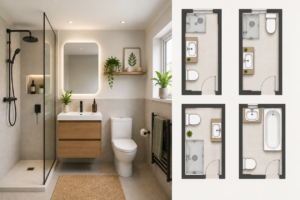
1. Starting Without a Detailed Bathroom Plan
One of the biggest mistakes is beginning demolition before deciding exactly where everything will go. Moving a toilet, shower, basin or radiator later can increase plumbing and labour costs significantly.
Before work starts, confirm:
- The exact position of the toilet, basin, bath and shower
- Door opening and circulation space
- Plumbing and drainage routes
- Lighting and electrical points
- Storage requirements
- Heating and towel-rail positions
For homeowners planning a bathroom renovation in Hounslow, getting the layout right before construction starts can prevent expensive changes later.
2. Choosing Fixtures Before Measuring the Room
A freestanding bath or large vanity may look excellent in a showroom but fail to work in a compact West London bathroom.
Measure the room carefully and consider the actual dimensions of every fixture, including clearance around doors, drawers and shower enclosures. A good design should make the bathroom comfortable to use, not simply fill every available centimetre.
3. Underestimating the Bathroom Renovation Budget
A common mistake is budgeting only for tiles, sanitaryware and visible finishes. The real cost can also include plumbing, electrical work, waterproofing, plastering, flooring, waste removal, labour and building-control requirements.
ERD Ltd’s current Hounslow bathroom renovation guidance puts typical projects at around £6,000–£20,000+, depending on the specification and complexity. It is also sensible to keep a 10–15% contingency for unexpected work, particularly in older properties.
A practical budget checklist
- Basic refurbishment: approximately £6,000–£10,000
- Mid-range renovation: approximately £10,000–£15,000
- Higher-specification renovation: approximately £15,000–£20,000+
- Contingency: add 10–15%
These are planning figures rather than fixed quotations; the existing condition of the property and your chosen materials can change the final price.
4. Ignoring Ventilation and Moisture Control
Poor ventilation is one of the easiest ways to create mould, condensation and damaged finishes.
Bathrooms need effective moisture extraction. Current English Building Regulations guidance includes Approved Document F, which addresses ventilation requirements, while the 2026 edition provides updated guidance for dwellings.
Do not simply choose the cheapest extractor fan. Consider the bathroom size, fan capacity, duct route, noise level and whether the system effectively removes moisture from the building.
5. Treating Waterproofing as an Optional Extra
Tiles are water-resistant, but the tiled surface itself should not be treated as the complete waterproofing system.
Shower areas, wet rooms and other regularly exposed surfaces need appropriate preparation and waterproofing. Skipping this stage can allow moisture behind finishes, potentially causing damaged plasterboard, timber or adjoining areas.
For a complete bathroom remodel, waterproofing should be considered during the construction stage rather than after problems appear.
6. Getting Electrical Work Wrong
Bathrooms are high-risk electrical environments because water and electricity are in proximity.
Electrical installations in bathrooms need to comply with applicable requirements, including Part P of the Building Regulations and relevant BS 7671 requirements. Electrical Safety First advises using a registered electrician for bathroom electrical installation work and highlights specific requirements around bathroom zones and RCD protection.
Avoid DIY electrical alterations, unsuitable light fittings or poorly positioned sockets. A competent electrical professional should determine what equipment can safely be installed in the relevant bathroom zones.
7. Choosing Style Over Practicality
A bathroom should look good, but it also needs to work every day.
Glossy surfaces, oversized tiles, fashionable colours or minimalist fittings can become frustrating if they create difficult cleaning, inadequate storage or poor accessibility.
Think about how the bathroom will be used over the next 5–10 years. Durable flooring, easy-clean surfaces, useful storage and quality fittings are often better investments than short-lived trends.
8. Forgetting Storage
Insufficient storage is particularly problematic in smaller Hounslow and West London homes.
Instead of adding bulky furniture after the renovation, build storage into the design. Wall-hung vanity units, mirrored cabinets, recessed shelves and tall storage can provide useful capacity without making the room feel crowded.
A well-designed bathroom should have a dedicated place for toiletries, towels and everyday cleaning products.
9. Overlooking Lighting
One ceiling light is rarely enough for a modern bathroom.
A better lighting plan can combine:
- General ceiling lighting
- Mirror or vanity lighting
- Shower-area lighting where appropriate
- Accent lighting for niches or storage
- Suitable controls and fittings for bathroom conditions
Lighting should be planned before walls and ceilings are finished, particularly if new wiring is required.
10. Failing to Check Regulations Before Work Starts
Not every bathroom renovation needs planning permission. However, structural changes, extensions, changes involving protected buildings or work affected by local planning restrictions can introduce additional requirements.
Building Regulations can also apply to aspects of renovation work, including ventilation, electrical safety, sanitation, drainage and structural alterations. GOV.UK lists relevant Approved Documents covering areas such as Part F ventilation, Part G sanitation and hot-water safety, and Part P electrical safety.
For homeowners in Hounslow, checking requirements before construction begins is much safer than discovering an approval or compliance issue after the work is complete.
What Is the Best Way to Avoid Bathroom Renovation Mistakes?
A successful bathroom renovation starts with the layout, budget and technical requirements, not the tiles.
A sensible process is:
- Inspect the existing bathroom and identify plumbing, drainage and electrical issues.
- Measure the room accurately and develop a practical layout.
- Set a realistic budget with a 10–15% contingency.
- Choose fixtures and finishes that fit the approved layout.
- Check planning and Building Regulations requirements.
- Plan plumbing, ventilation and electrical work before finishes are installed.
- Use appropriate waterproofing and durable materials.
- Complete testing and finishing checks before handover.
ERD Ltd provides coordinated bathroom renovation services covering plumbing, electrical work, tiling, flooring, fixtures and finishing, alongside wider renovation and construction services. The company is based in Hounslow, Middlesex and serves homeowners across West London.
Get a Free Bathroom Renovation Quote in Hounslow
Avoid costly bathroom renovation mistakes by planning the layout, technical work and finishes before construction begins. Contact ERD Ltd for a free, no-obligation quote for your bathroom renovation in Hounslow and West London.
Frequently Asked Questions
How Much Does a Bathroom Renovation Cost in Hounslow?
A typical bathroom renovation in Hounslow can cost approximately £6,000–£20,000+, with larger or higher-specification projects costing more. The final price depends on room size, plumbing changes, fixtures, materials, electrical work and the condition of the existing bathroom.
How Long Does a Bathroom Renovation Take?
Many bathroom renovation projects take around 2–5 weeks. A straightforward refurbishment can be quicker, while projects involving substantial plumbing changes, structural work or unexpected repairs may take longer.
Do I Need Planning Permission for a Bathroom Renovation?
Most straightforward internal bathroom renovations do not require planning permission. However, extensions, structural alterations, listed buildings and certain other circumstances can require planning approval, so the specific property and proposed work should be checked before construction.
What Are the Most Expensive Bathroom Renovation Mistakes?
Moving plumbing after construction has started, correcting waterproofing failures, and replacing unsuitable fixtures can all create unnecessary costs. Poor planning is often the underlying problem because changes become more expensive once demolition and installation are underway.
Is Bathroom Ventilation Really Necessary?
Yes. Effective ventilation helps remove moisture and reduce condensation and mould risk. In England, bathroom ventilation is addressed under Approved Document F of the Building Regulations, so ventilation should be considered as part of the technical design rather than an afterthought.
What Should I Prioritise in a Bathroom Renovation?
Prioritise layout, waterproofing, plumbing, ventilation, electrical safety and durable fixtures before decorative features. Once these fundamentals are right, you can choose tiles, colours, mirrors and accessories that match your preferred style and budget.
→ Book a Free Consultation
→ Website