
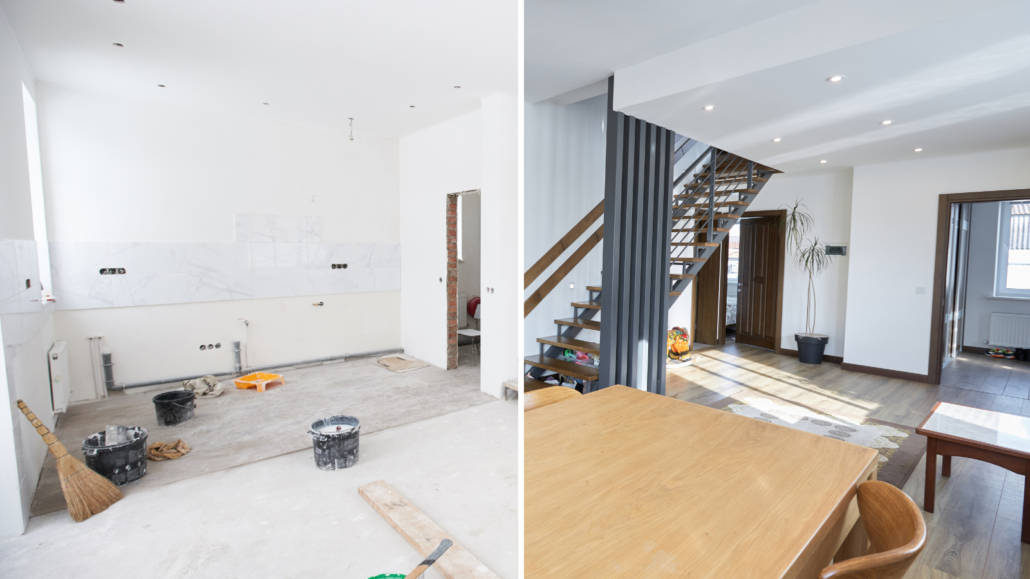
How to Prepare Your Home Before Renovation Work Begins in Hounslow
Before renovation work begins, clear the work area, protect furniture and floors, secure valuables, confirm plans and permissions, arrange utility access, and agree the construction schedule with your contractor. Allow around 1–2 weeks for preparation on a typical home renovation, although larger projects such as loft conversions or whole-house refurbishments may require 2–4 weeks of planning and site preparation.
What should you do before renovation work starts?
Good preparation reduces delays, protects your belongings and helps your contractor start work efficiently. Before the first day on site, work through this checklist:
- Confirm the scope of work Make sure you and your contractor agree on the rooms, finishes, fixtures and structural work included.
- Remove furniture and personal belongings Clear rooms that will be renovated and move valuable items to a secure location.
- Protect areas that remain occupied. Use suitable floor protection, dust sheets and temporary barriers.
- Create access routes. Decide how workers and materials will enter and leave the property.
- Confirm planning and Building Regulations requirements. Check that any required approvals are in place before work starts.
- Identify utility shut-off points. Know where the water stopcock, electricity consumer unit and other relevant controls are located.
- Agree working hours and site arrangements. Establish access times, parking arrangements, waste removal and communication with the contractor.
For homeowners planning house renovation in Hounslow and West London, these steps are particularly useful where properties have limited parking, narrow access or neighbouring homes close to the site.

Should you move furniture out before renovation?
Yes. Furniture should ideally be removed from rooms where construction work is taking place. Even when contractors use dust protection, renovation can create dust, vibration, noise and debris.
For larger projects, consider renting temporary storage or moving furniture into an unaffected room. Keep valuable documents, jewellery, electronics and sentimental items away from the construction area rather than relying only on protective coverings.
If only part of your home is being renovated, clearly separate the work zone from the living area. This can make a significant difference to both safety and day-to-day comfort.
How do you protect floors, walls and remaining rooms?
Your contractor should establish appropriate protection before demolition, deliveries or installation work begins. However, homeowners should also confirm what protection is included in the agreed scope.
Common preparation measures include:
- Floor protection in hallways and rooms used for access.
- Dust barriers between construction and occupied areas.
- Protective coverings for doors, fixed furniture and surfaces that remain.
- Clearly defined routes for moving materials.
- Safe temporary storage areas for tools and building materials.
This is particularly important for renovation projects in Hounslow, Middlesex and wider West London, where older homes may contain original flooring, decorative features or finishes that need extra care.
Do you need planning permission before renovating your home?
Not every renovation requires planning permission, but certain changes do. Internal alterations that do not affect the external appearance or structure may often be possible without planning permission, while extensions, some loft conversions and changes to the exterior can require approval.
Building Regulations are a separate consideration. Structural alterations, electrical work, fire safety measures, insulation, drainage and other construction elements may need to comply with applicable Building Regulations.
Before work begins, ask your contractor or design professional to confirm which approvals apply to your project. If your property is listed or located within a conservation area, additional restrictions may apply.
What should you do about electricity, gas and water?
Make sure the contractor knows the location of important services before work starts. This includes the electricity consumer unit, water stopcock and relevant isolation points.
For electrical alterations, work should comply with applicable UK electrical requirements, and certain work may require appropriate certification. Gas work should be undertaken by an appropriately qualified Gas Safe registered engineer.
If your renovation includes electrical upgrades, new lighting, an EV charger or solar PV installation, discuss the requirements with the relevant qualified professionals before construction begins.
How long should you prepare before renovation starts?
For a straightforward room renovation, 1–2 weeks of preparation can be sufficient once the design, materials and schedule are confirmed. More complex projects can require considerably longer.
A loft conversion, extension or whole-house renovation may involve architectural drawings, structural calculations, planning considerations, Building Regulations approval, material ordering and contractor scheduling.
The key is to complete decisions before demolition starts. Late changes to kitchens, bathrooms, flooring or electrical layouts can cause additional labour, material costs and delays.
What should you agree with your contractor before work begins?
A written project scope helps prevent misunderstandings. Before the first day, confirm:
- Work included and excluded
- Estimated start and completion dates
- Payment schedule
- Materials and finishes
- Who supplies appliances and fixtures
- Waste removal arrangements
- Site access and working hours
- Protection of existing areas
- Responsibility for approvals and certificates
- How changes to the agreed work will be handled
For a professional renovation company such as ERD Ltd, having these details established before work begins gives both the homeowner and construction team a clear reference point.
ERD Ltd is based in Hounslow, West London, providing services including house renovation, loft conversions, kitchen renovation, bathroom remodeling, electrical works, construction, planning and architecture, interior design, EV charger installation and solar PV installation.
How can you prepare your family for renovation work?
Renovation affects more than the construction area. Decide which rooms will remain usable and whether you need temporary alternatives for cooking, washing or working from home.
For a kitchen renovation, for example, setting up a temporary kitchen with a microwave, kettle, refrigerator and basic food preparation area can make the construction period easier.
Also consider children, pets and visitors. Construction areas should be kept secure, with tools, materials and open work areas inaccessible to anyone who should not enter the site.

What should you prepare on the first day?
On the first day, make sure the contractor can access the property and knows where essential facilities are located. Remove remaining valuables and ensure the agreed work area is ready.
It is also useful to take photographs of existing rooms before work begins. These provide a record of the property’s condition and can help document existing finishes, fixtures and areas around the renovation.
For homeowners in Hounslow and across West London, planning these practical details can help the project start smoothly and minimise avoidable disruption.
Ready to Start Your Renovation?
If you’re preparing a home renovation in Hounslow, Middlesex or wider West London, ERD Ltd can help with planning, construction and specialist renovation services. Contact ERD Ltd for a free quote and discuss your project requirements.
Frequently Asked Questions
How do I prepare my house for renovation?
Start by clearing the renovation areas, protecting furniture and floors, confirming the project scope and checking that required planning or Building Regulations approvals are in place. You should also agree access, working hours, utilities, waste removal and payment arrangements with your contractor.
What should I remove before renovation?
Remove valuable, fragile and personal belongings from the construction area. Furniture should ideally be relocated, while items that cannot be moved should be properly protected from dust and damage.
How long should I prepare before a home renovation?
A straightforward renovation may need around 1–2 weeks of practical preparation after the project has been designed and scheduled. Larger projects such as loft conversions, extensions and whole-house renovations may require 2–4 weeks or more for detailed preparation and approvals.
Do I need planning permission for a home renovation?
It depends on the proposed work. Many internal alterations do not require planning permission, but extensions, certain loft conversions and external changes may do; Building Regulations can apply separately.
Should I stay at home during renovation work?
It depends on the size and location of the project. For a single-room renovation, staying at home may be practical, but major structural work, whole-house renovations and projects involving significant dust, noise or utility shutdowns may make temporary accommodation more suitable.
How can I reduce dust during renovation?
Use sealed dust barriers, protect floors and furniture, keep doors between occupied and construction areas closed where practical, and maintain a clearly defined access route. Your contractor should also establish suitable site protection before demolition and construction work begins.
→ Book a Free Consultation
→ Website