
Heat Pump Installation UK Costs Grants best way 2026
Introduction Heat Pump Installation :
Heat pump installation UK demand has reached record levels in 2026, as rising gas prices, government grants, and stricter energy efficiency targets push homeowners to rethink how they heat their homes. Across London and the wider UK, more households are switching from traditional gas boilers to air source and ground source heat pumps, drawn by lower running costs, a smaller carbon footprint, and generous financial support from the government.
For homeowners in Hounslow, Middlesex, and across West London, heat pump installation UK projects have become one of the most requested home improvement works of the year, sitting alongside solar panels and EV chargers as part of a wider move toward greener, more efficient homes. This guide breaks down everything you need to know in 2026 — costs, grants, installation steps, planning rules, and how to choose the right installer.
Why Heat Pump Installation UK Is Surging in 2026?
Several factors are driving the current surge in heat pump installation UK projects. First, the Boiler Upgrade Scheme (BUS) now offers homeowners £7,500 toward the cost of an air source or ground source heat pump, directly reducing the upfront price of switching away from gas. Second, the government has applied 0% VAT on the supply and installation of domestic heat pumps, a rate that is set to remain in place until March 2027, making this one of the most cost-effective windows to install a system. Third, the UK has now passed 250,000 certified heat pump installations nationally, with monthly installation figures continuing to climb as more households become aware of the savings and incentives available.
For London homeowners specifically, rising gas prices have made the gap between gas and electric heating costs much narrower than it used to be, especially when paired with efficient electricity tariffs designed for heat pump users. Combined with growing pressure from local councils to reduce carbon emissions in residential properties, heat pump installation UK has shifted from a niche, eco-conscious choice to a mainstream home improvement decision considered by a much wider range of homeowners.
Types of Heat Pumps Explained:
Before starting any heat pump installation UK project, it helps to understand the main types of systems available, since each suits different property types and budgets.
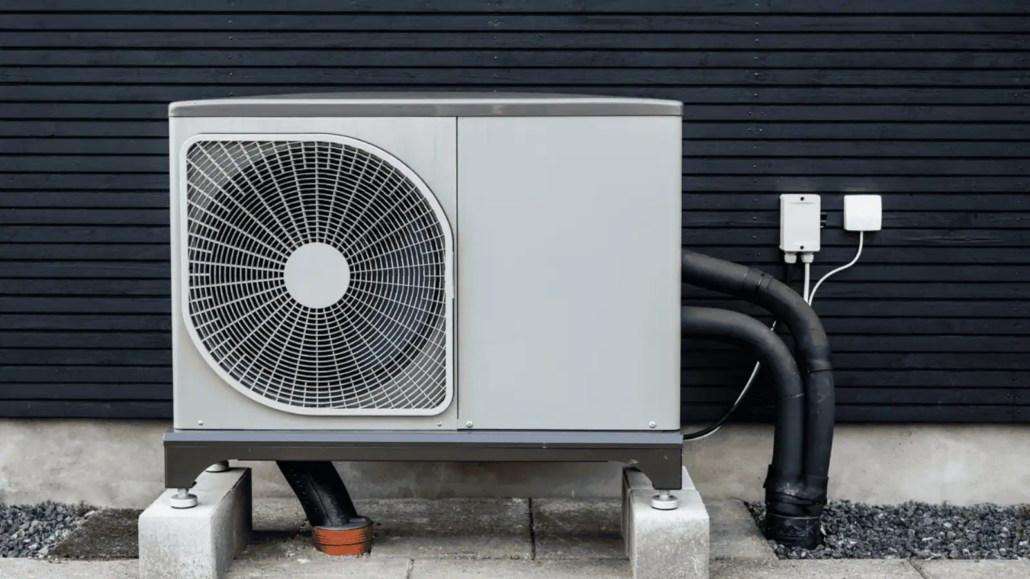
Air Source Heat Pumps (ASHP) are by far the most common choice in the UK, accounting for around 99% of all installations. They extract heat from the outside air, even in cold winter temperatures, and transfer it indoors to heat radiators, underfloor heating, or hot water cylinders. ASHPs are cheaper to install, require only a small cabinet-sized unit mounted on an external wall, and suit the vast majority of London terraced houses, semis, and detached homes.
Ground Source Heat Pumps (GSHP) extract heat from the ground via buried pipework, offering slightly higher efficiency but at a significantly higher installation cost due to the groundworks required. These systems need more outdoor space, making them less practical for many London properties with smaller gardens, but they remain a strong option for larger rural or suburban homes with sufficient land.
Hybrid Heat Pump Systems combine a heat pump with an existing gas boiler, allowing the system to switch between the two depending on outdoor temperature and efficiency. This option appeals to homeowners who want to begin the transition to renewable heating without fully removing their existing gas system straight away.
Heat Pump Installation UK Cost Breakdown 2026:
Costs for heat pump installation UK vary depending on property size, insulation quality, the type of heat pump chosen, and whether existing radiators or pipework need upgrading. As a general guide for 2026:
Air source heat pump installation typically costs between £8,000 and £14,000 before any grant is applied, covering the unit itself, labour, and a hot water cylinder if one isn’t already fitted. Once the £7,500 Boiler Upgrade Scheme grant is applied, many homeowners bring this down to a final cost of roughly £500 to £6,500 depending on system size and property requirements.
Ground source heat pump installation is considerably more expensive, generally ranging from £18,000 to £35,000 due to the cost of drilling boreholes or laying ground loops, even after the same £7,500 BUS grant is applied.
Additional costs to budget for include radiator upgrades, which may be necessary since heat pumps work most efficiently with larger radiators or underfloor heating that operate at lower flow temperatures than gas boilers. A new hot water cylinder, if your home doesn’t already have one, can add £1,000 to £2,500 to the overall project. Improved loft or wall insulation, while not always compulsory, is strongly recommended before installation to ensure the heat pump runs efficiently and keeps running costs low.
Larger homes requiring a higher-capacity unit will generally sit toward the upper end of these price ranges, while smaller, well-insulated flats or houses can often be completed at the lower end, particularly once the BUS grant and 0% VAT rate are factored in.
Step-by-Step Heat Pump Installation Process:
A typical heat pump installation UK project follows a clear sequence of stages. It begins with a home survey, where an MCS-certified installer assesses your property’s insulation, existing radiators, available outdoor space, and heat loss to determine the correct heat pump size and output required.
This is followed by system design, where the installer calculates flow temperatures, radiator sizing, and whether any pipework or cylinder changes are needed. Once the design is agreed, the BUS grant application is submitted, which can take a few weeks to be approved before installation begins.
Installation itself usually takes between two and four days for a straightforward air source heat pump project, covering the outdoor unit, indoor components, any radiator upgrades, and the hot water cylinder if required. The final stage is commissioning and registration, where the installer tests the system, registers it with MCS, and provides the homeowner with a commissioning pack and warranty documentation, typically covering five to seven years on the heat pump unit itself.
Heat Pump vs Gas Boiler: Running Costs Compared:
One of the most common questions homeowners ask before committing to heat pump installation UK is how running costs compare to a traditional gas boiler. The answer depends heavily on your home’s insulation and the efficiency, or COP (Coefficient of Performance), of the heat pump installed.
A well-installed air source heat pump in the UK typically achieves a COP of 2.8 to 3.5, meaning it produces three to three and a half units of heat for every one unit of electricity used. The best-performing systems reach a COP of 4 to 5. Given the current price gap between electricity and gas in the UK, a heat pump running at COP 3 or higher in a reasonably well-insulated home tends to produce running costs broadly similar to, or modestly lower than, a gas boiler, with the gap narrowing further as electricity tariffs designed specifically for heat pump users become more widely available.
In poorly insulated homes, running costs can be higher than expected, since the heat pump has to work harder to maintain the same comfort level. This is why most reputable installers recommend a home insulation check as part of the initial survey, rather than treating the heat pump installation as a standalone upgrade.
Is Your London Home Ready? Insulation and Radiator Considerations:
Before booking a heat pump installation UK project, it’s worth assessing how ready your home actually is. Loft insulation, cavity wall insulation, and double glazing all play a major role in how efficiently a heat pump performs, since these systems work best delivering heat at lower temperatures over longer periods, rather than the short, high-temperature bursts typical of gas boilers.
Many older London properties, particularly Victorian and Edwardian terraces common across Hounslow and surrounding boroughs, were built with smaller radiators sized for gas central heating. In many cases, these need to be upsized, or underfloor heating considered for ground-floor rooms, to allow the heat pump to run efficiently at lower flow temperatures. A pre-installation survey will identify exactly which rooms need radiator changes, helping avoid the common mistake of installing a heat pump onto an unsuitable existing heating system.
Common Mistakes to Avoid:
A number of avoidable mistakes can turn a heat pump installation UK project into a disappointing one. Choosing a unit based on price alone, without a proper heat loss survey, often results in an undersized system that struggles to keep the home warm in winter. Skipping radiator upgrades where they’re genuinely needed is another common error, leading to higher running costs than expected. Some homeowners also overlook the EPC requirements for the Boiler Upgrade Scheme, only to find their grant application delayed or rejected because outstanding insulation recommendations weren’t addressed first. Finally, working with an installer who isn’t MCS certified will disqualify you from the grant entirely, regardless of how competitive their quote looks.

Conclusion:
Heat pump installation UK has moved firmly into the mainstream in 2026, driven by strong government incentives, rising awareness of running cost savings, and growing pressure to reduce household carbon emissions. For homeowners across Hounslow and West London, the combination of the £7,500 Boiler Upgrade Scheme grant and 0% VAT makes this one of the most financially sensible times to make the switch from gas to renewable heating. Working with an MCS-certified, locally established installer ensures the survey, sizing, radiator planning, and grant paperwork are handled correctly from the outset, setting your home up for years of efficient, lower-carbon heating.
Related Services:
You can also explore:
Get in Touch
- Email: info@erdltd.co.uk
- Phone: +44 7956 448553
Follow Us on Social Media
- Facebook: https://www.facebook.com/erdltduk/
- LinkedIn: https://www.linkedin.com/company/erdltduk/
We look forward to hearing from you and helping with your environmental and development needs.For more information on ERDLtd’s technical services, visit their website: https://erdltd.co.uk/